Veljo Tormis (1930–2017)
A personal memory
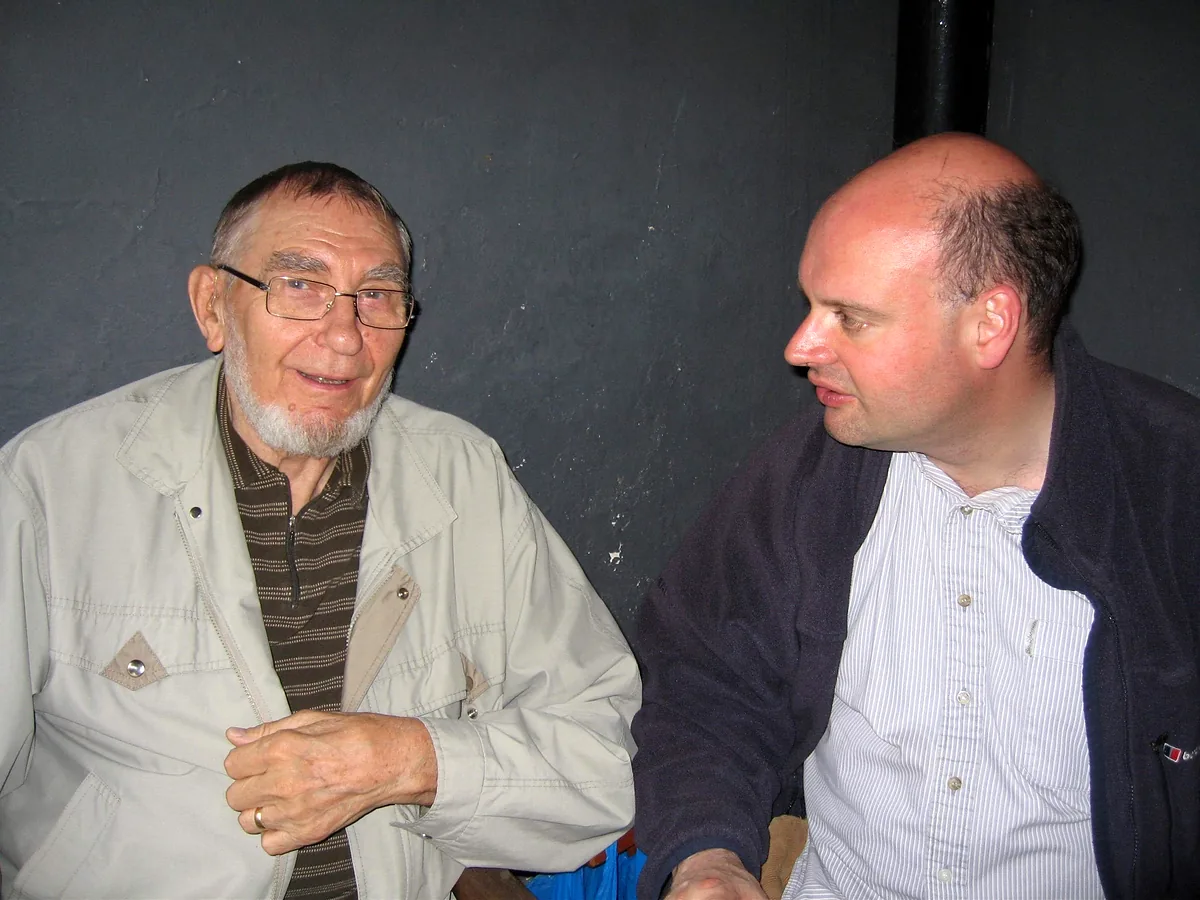
In a backstreet of Tallinn stands a rather shabby block of flats, once home to composers during the Soviet years. Up a dark staircase, on the same landing, are two doors bearing the most extraordinary names: Tormis and Pärt.
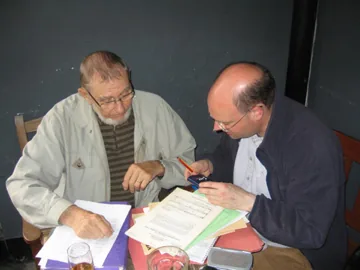
It was an astonishing introduction to Veljo Tormis and his wife. As it emerged that day, Arvo Pärt had once lived next door, in a flat still occupied by his first wife. Here, on the same staircase, two of Estonia's most remarkable composers had once been neighbours, before following profoundly different musical paths.
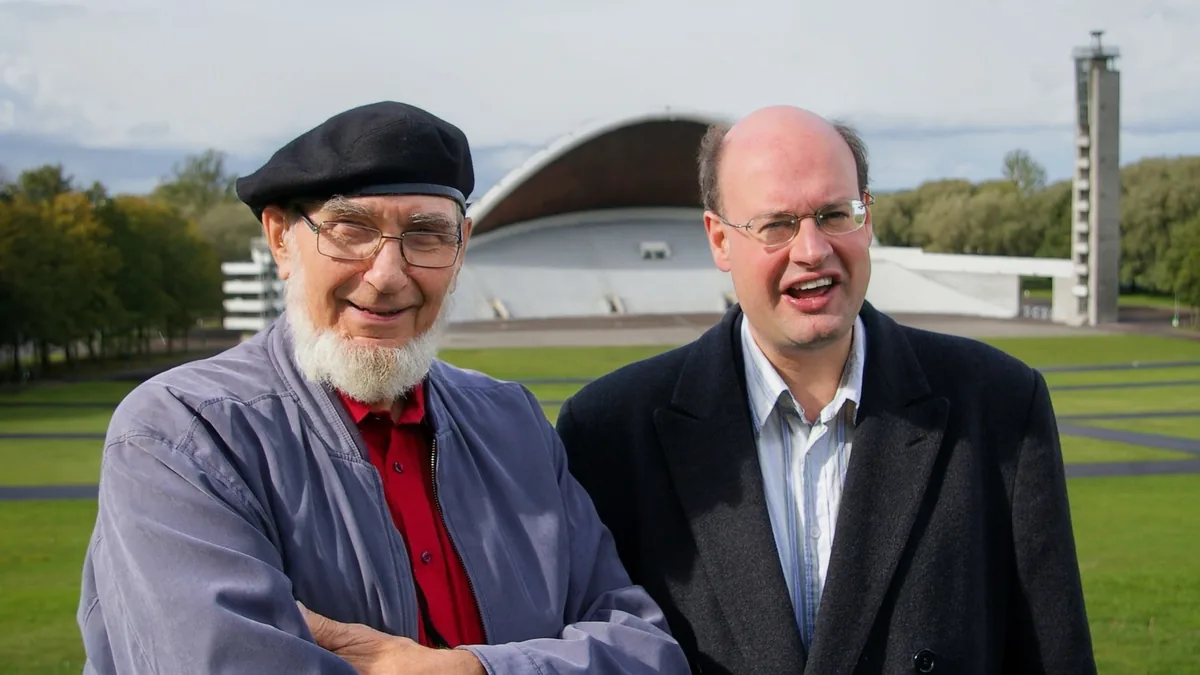
After a meal together and a conversation about his music, Tormis was keen to show his visitor somewhere else. A taxi took them to Tallinn's Song Festival Grounds, where they spent the afternoon walking around the vast amphitheatre. Gazing out across the song field, Tormis seemed almost to hear the music again — the thousands of voices from countless song festivals, still sounding in his imagination. Standing beside him, it was possible to sense how vividly those extraordinary gatherings remained alive in his mind.
The music
Tormis devoted almost his entire creative life to the human voice, drawing on the ancient runic songs of Estonia and its neighbouring peoples. For him, these were living traditions in which words and music were inseparable, not simply melodies to be arranged. Unlike composers such as Bartók, Kodály and Vaughan Williams, who also drew extensively on folk traditions, Tormis rarely separated a traditional melody from its original words.
The result is music of extraordinary variety — direct and playful, unsettling or deeply contemplative. Through repetition, seemingly simple phrases gather remarkable intensity, becoming powerful expressions of collective memory. The distinctive sounds and rhythms of each language remain central to the music, allowing these ancient songs to speak with an unmistakably contemporary voice without losing their origins.
Concerts and recordings
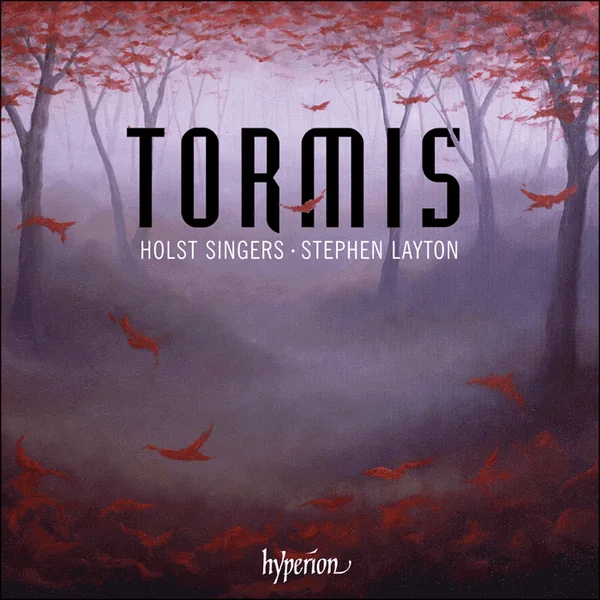
Stephen Layton’s work with Tormis’s music developed through the Holst Singers. In June 2007, they presented a programme devoted to his choral works in Knightsbridge, London, followed the next month by a recording for Hyperion at All Hallows, Gospel Oak.
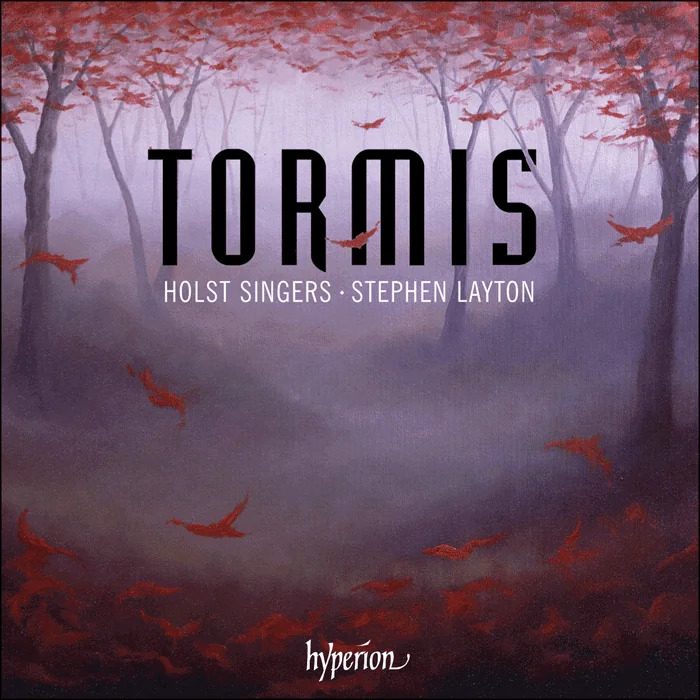
Released in April 2008, the album brought together twenty-six unaccompanied songs, ranging from intimate lullabies and childhood memories to the rhythmic vitality of Estonian folk games and the evocative Autumn Landscapes. Sung in their original languages, the works revealed the extraordinary range of Tormis’s choral imagination.
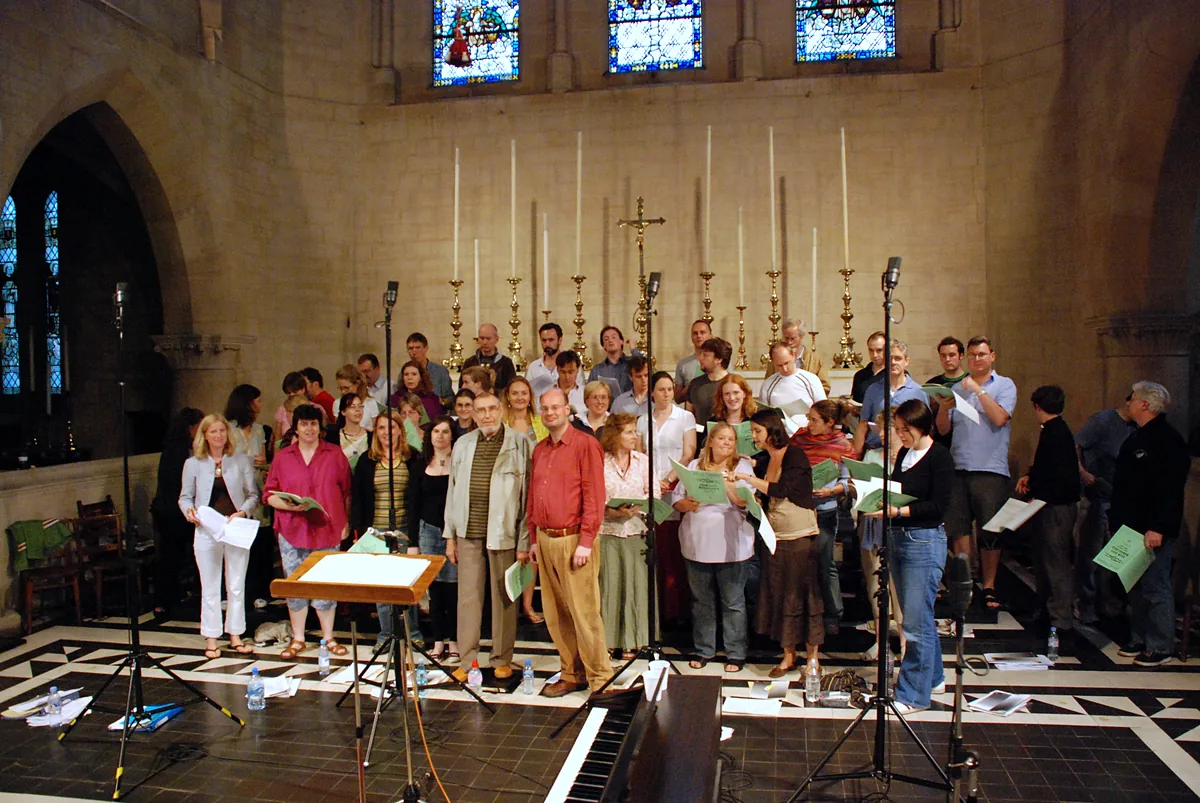
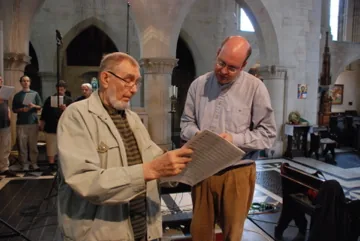
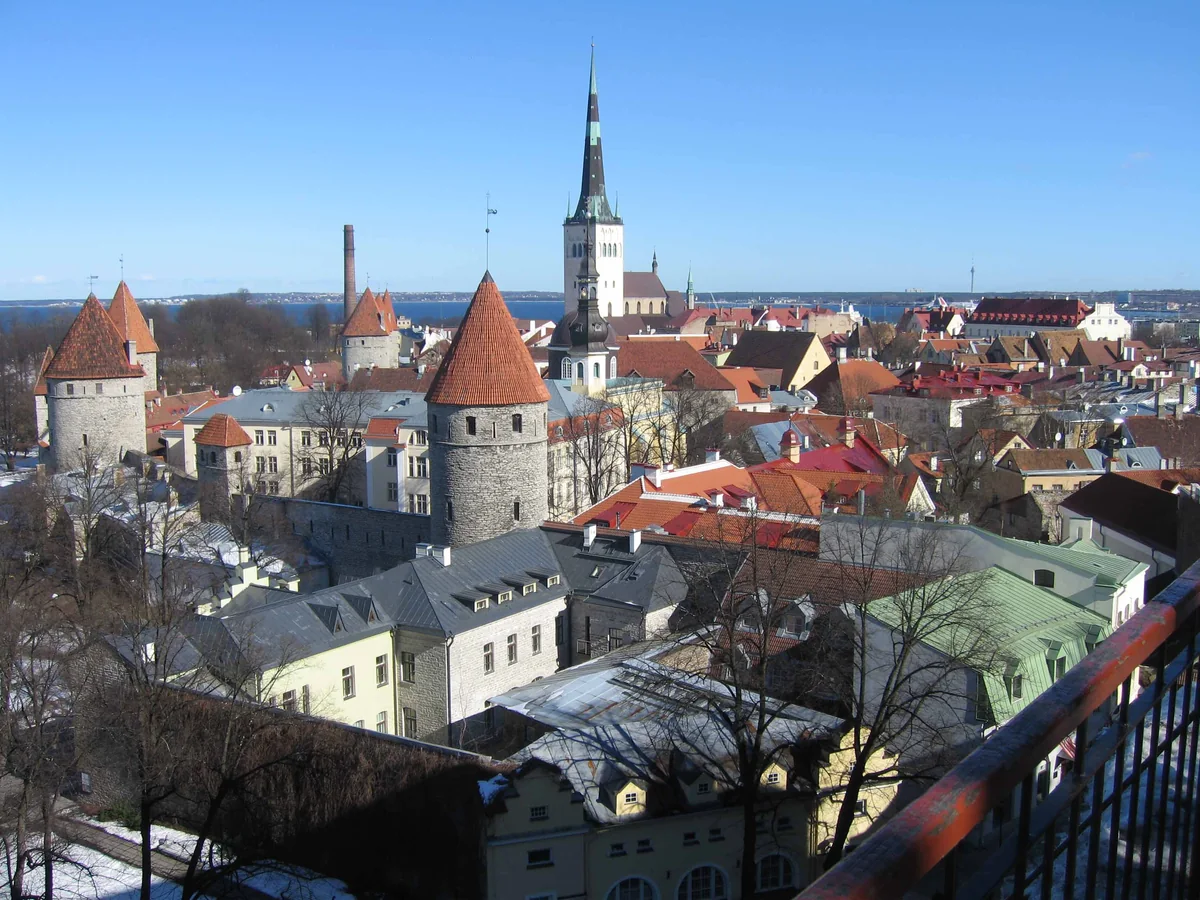
In 2009, the Holst Singers travelled to Estonia for three concerts in Tartu, Pärnu and Tallinn. The final performance, in Niguliste Church, brought together the music of Tormis and Arvo Pärt, with both composers present. It was a memorable occasion: two composers whose music had emerged from the same country and historical circumstances, yet whose musical worlds were so different.
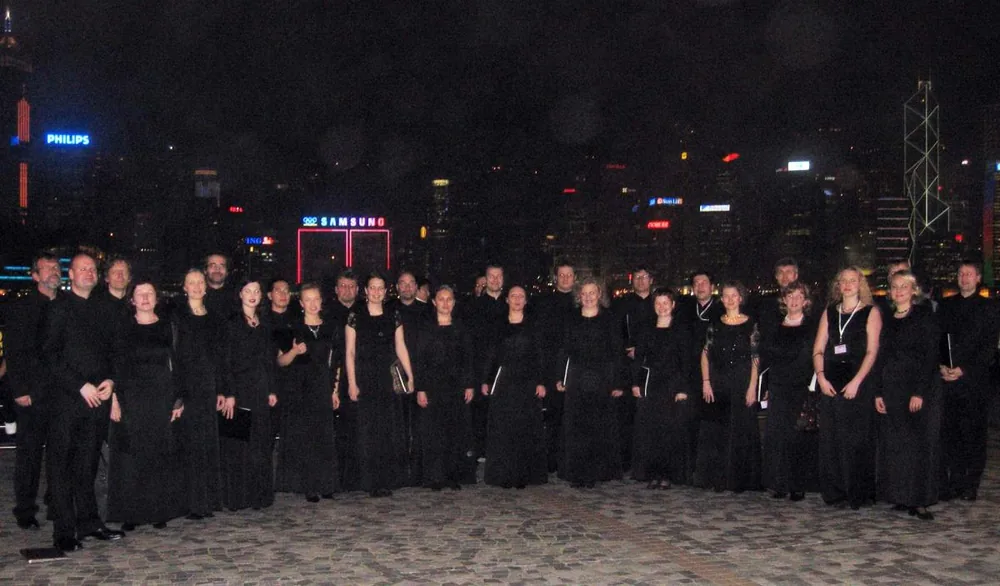
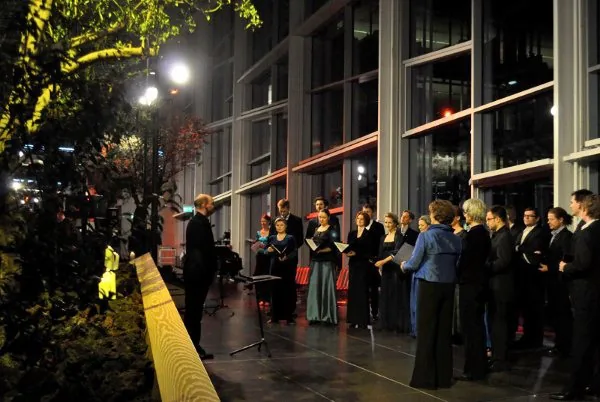
Stephen Layton’s subsequent performances of Tormis’s music included concerts in Hong Kong with the Estonian Philharmonic Chamber Choir in 2009 and Copenhagen with the Danish Radio Vocal Ensemble in 2010, marking the composer’s eightieth birthday. Tormis himself attended the Copenhagen concert.