Ēriks Ešenvalds
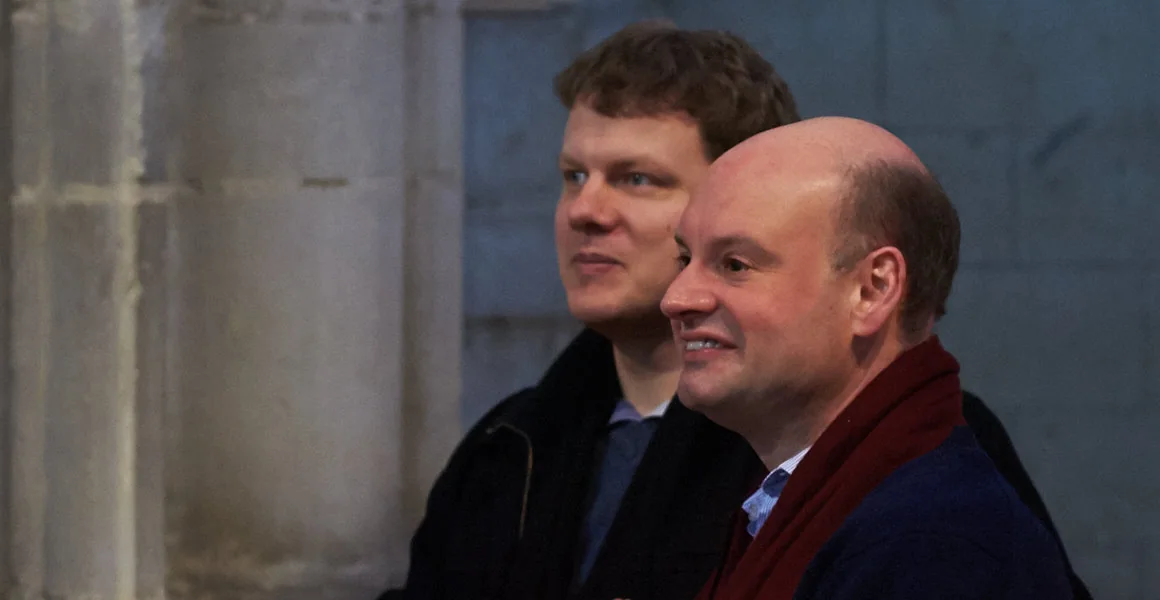
A personal memory
In 2007, Gabriel Jackson suggested exploring the music of the Latvian composer Ēriks Ešenvalds. Soon afterwards, during a visit to Riga to conduct the Latvian Radio Choir, Uģis Prauliņš mentioned him again at the music publisher Musica Baltica. A pile of scores and recordings returned to Britain.
A broadcast recording of Passion and Resurrection, heard quietly at home, revealed an extraordinary closing moment: the choir’s hypnotic repetitions of “Mariam” beneath a soaring soprano singing “Rabboni”, as Mary Magdalene recognises the risen Christ in the figure she had mistaken for the gardener. The tenderness and love in that musical exchange stirred an immediate desire to explore the music further and study the score.
Concerts and recordings
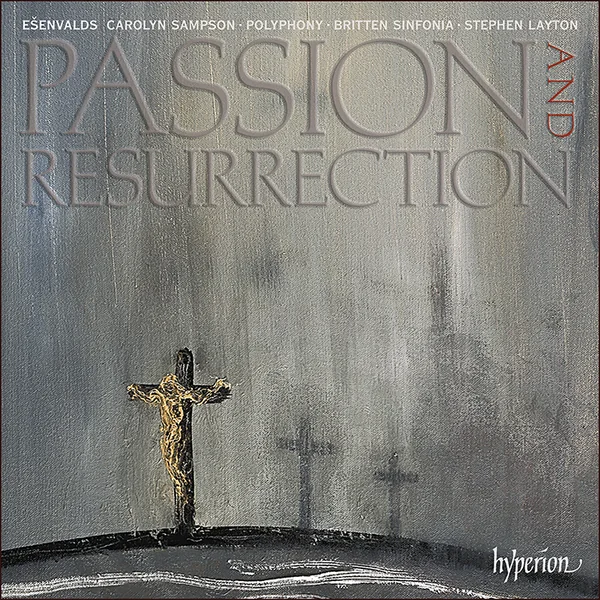
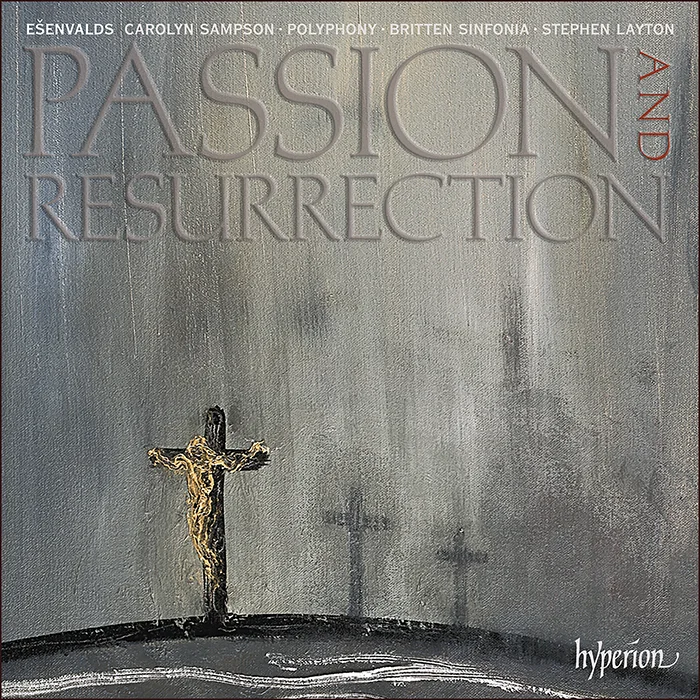
In April 2010, Stephen Layton performed Passion and Resurrection with Polyphony in Cambridge and Norwich. A Hyperion recording with Polyphony, Britten Sinfonia and soprano Carolyn Sampson followed in 2011.
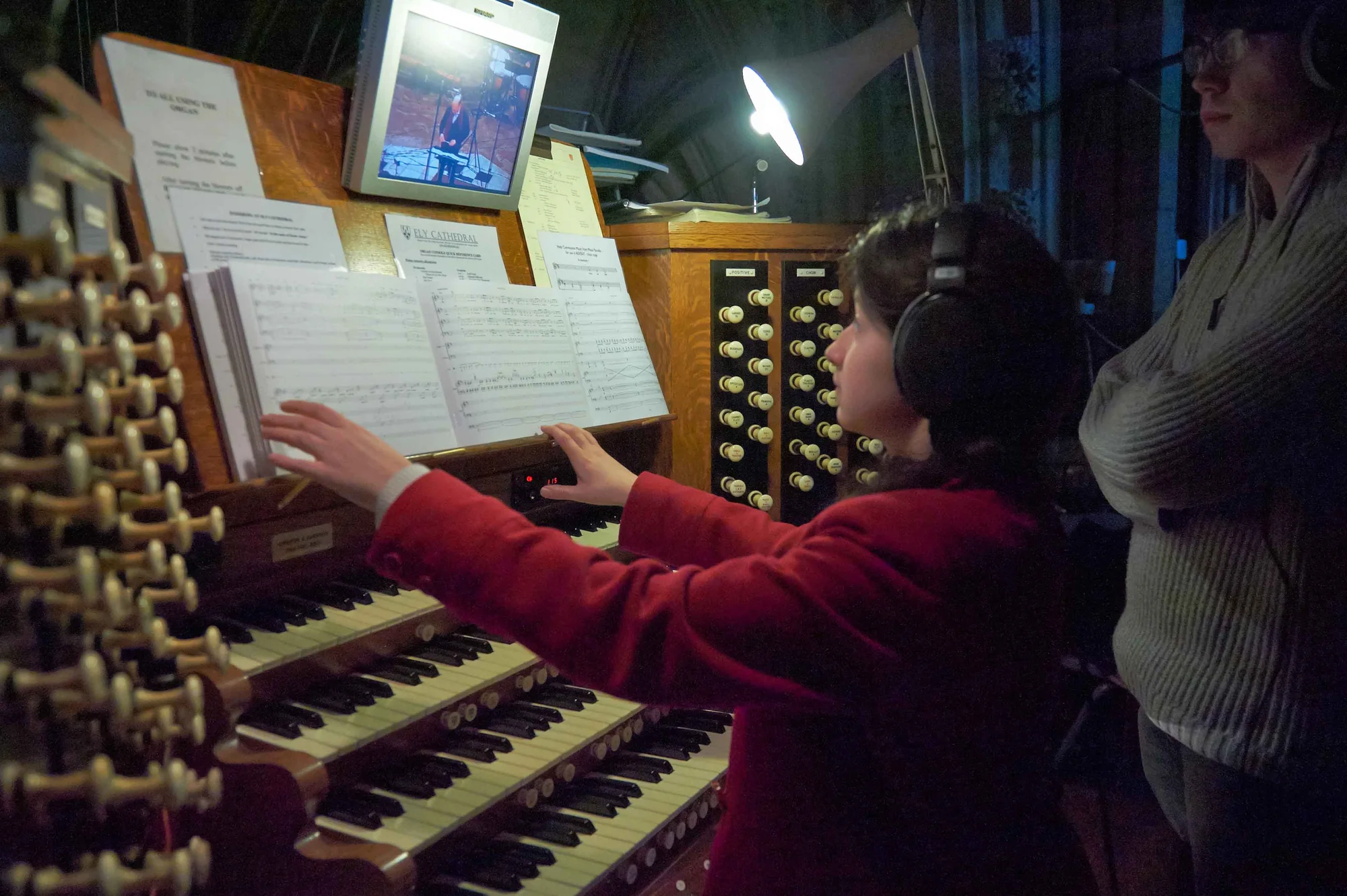
From 2011 to 2013, Ešenvalds was Fellow Commoner in the Creative Arts at Trinity College Cambridge. During this period, he composed Trinity Te Deum for the installation of Sir Gregory Winter as Master of the College, working closely with the choir and organ scholars to explore the particular qualities of the chapel and its organ.
His Psalm 67 was premiered by Polyphony at the Concertgebouw in Amsterdam in November 2012 and performed shortly afterwards by the Choir of Trinity College Cambridge. In August 2013, Layton conducted the work with the Latvian State Choir in Riga, returning to the city where he had first encountered Ešenvalds's scores six years earlier.
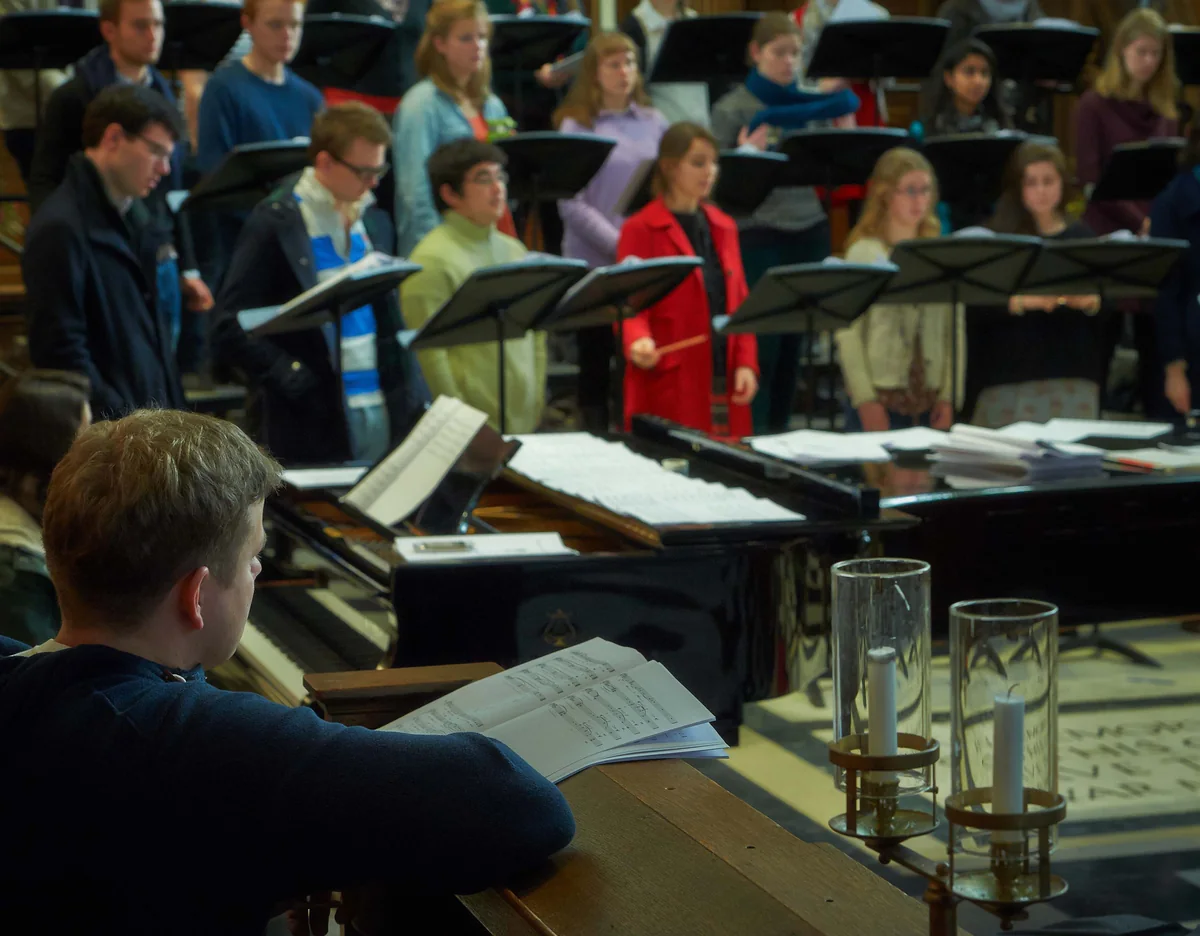
This film is hosted on YouTube. Playing it here connects to YouTube, which may set cookies (see our privacy notice).
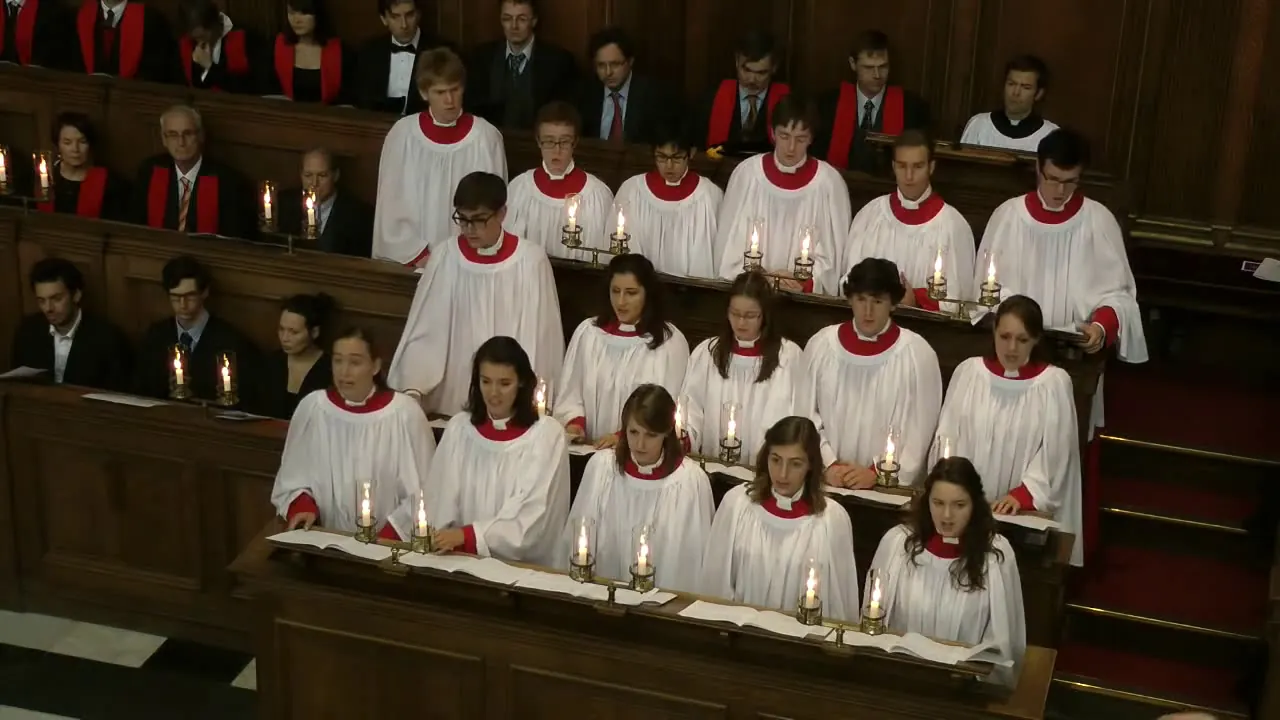
This film is hosted on YouTube. Playing it here connects to YouTube, which may set cookies (see our privacy notice).
Ešenvalds's responsiveness to individual performers was also central to City Songs, commissioned by Layton and the City of London Sinfonia for the 2013 Voices Now festival. After visiting the participating groups, he brought together children, beatboxers, city workers and community singers in a work premiered at London's Roundhouse.
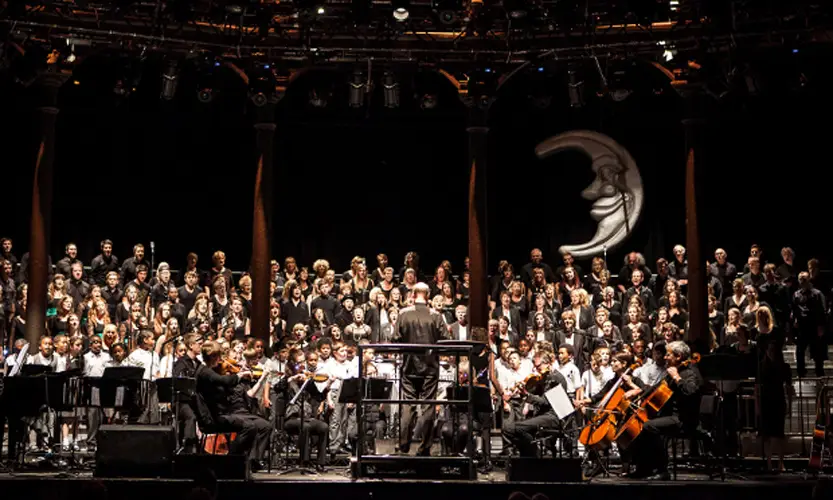
Photograph: Stuart Leech
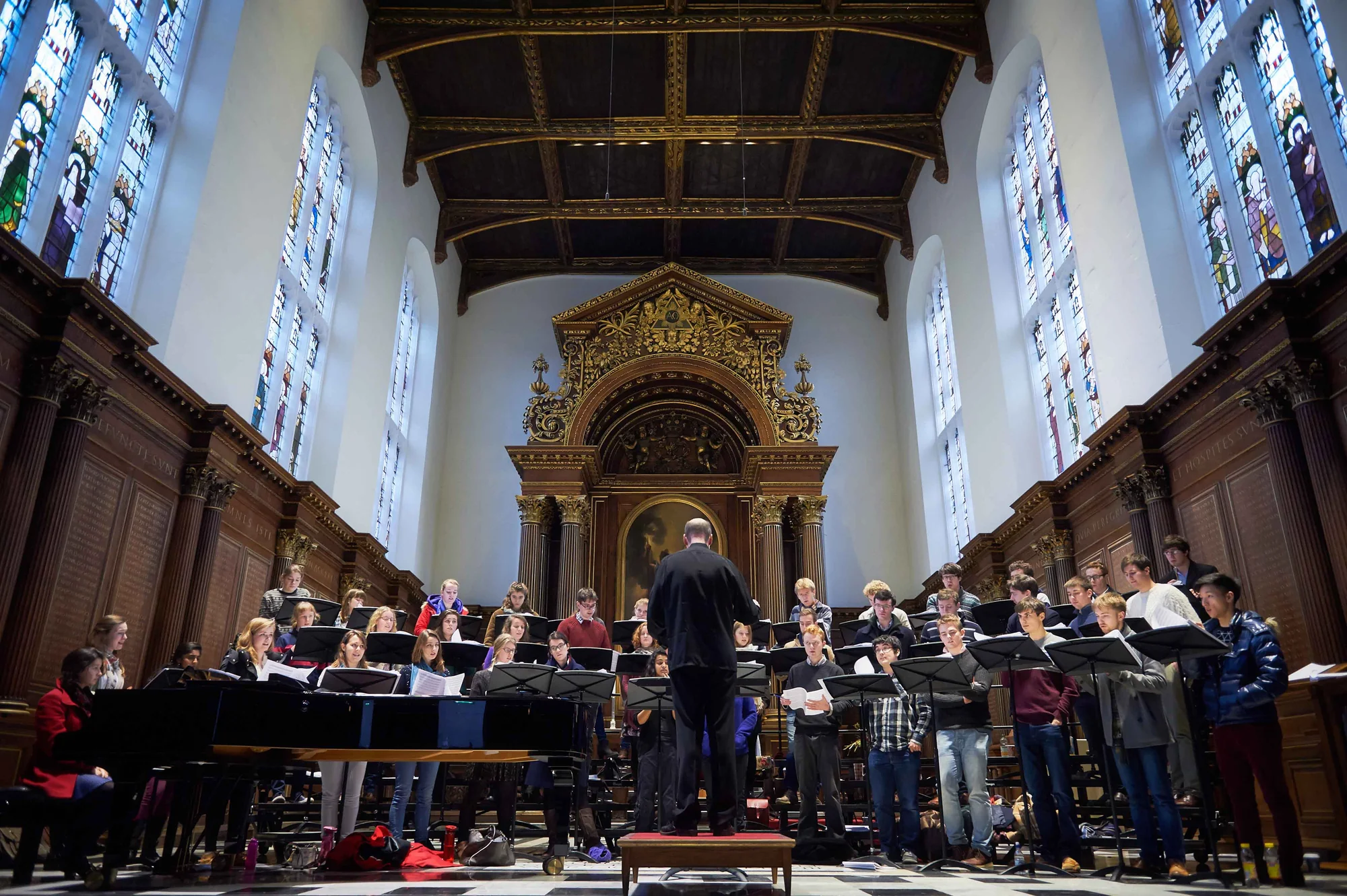
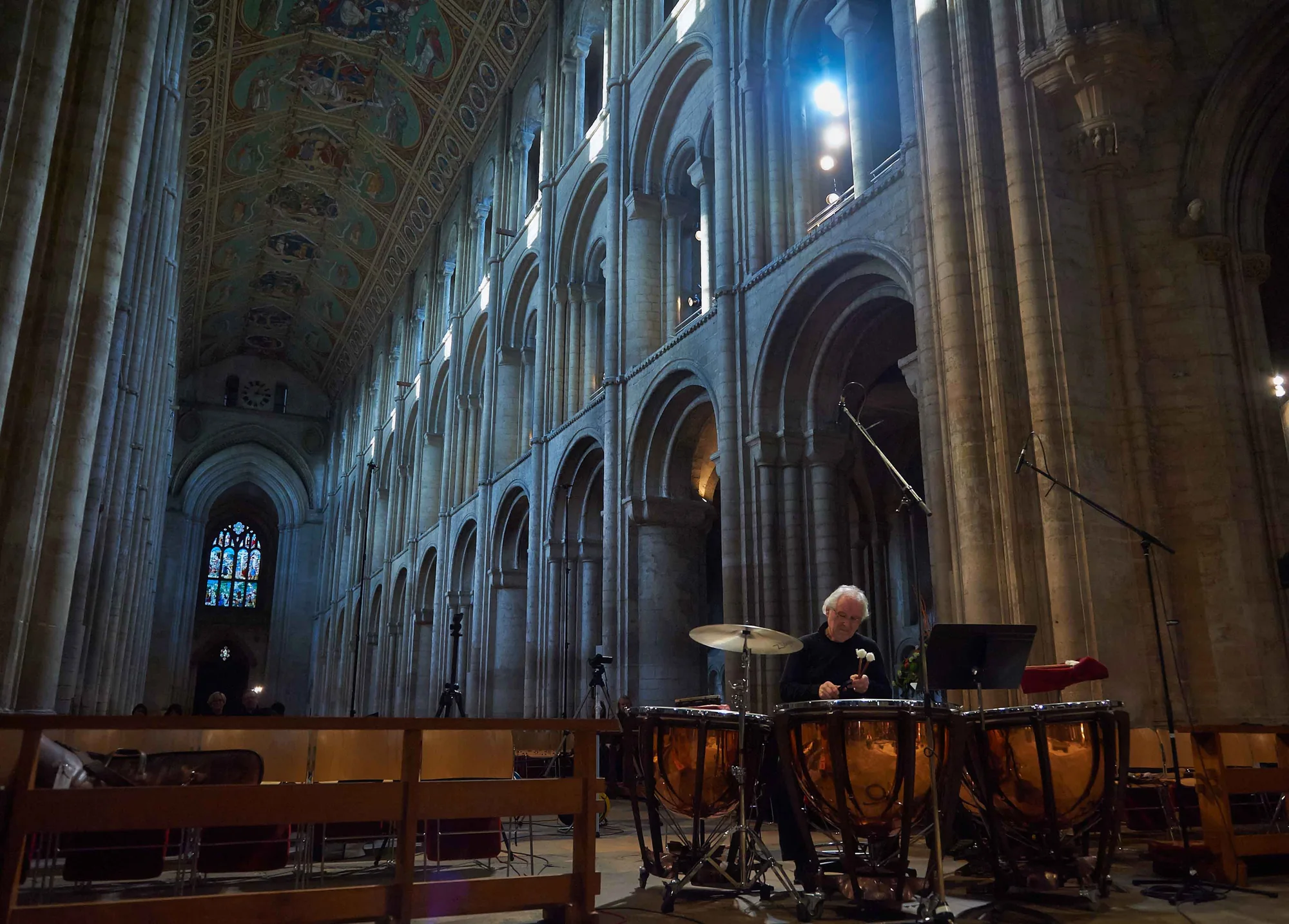
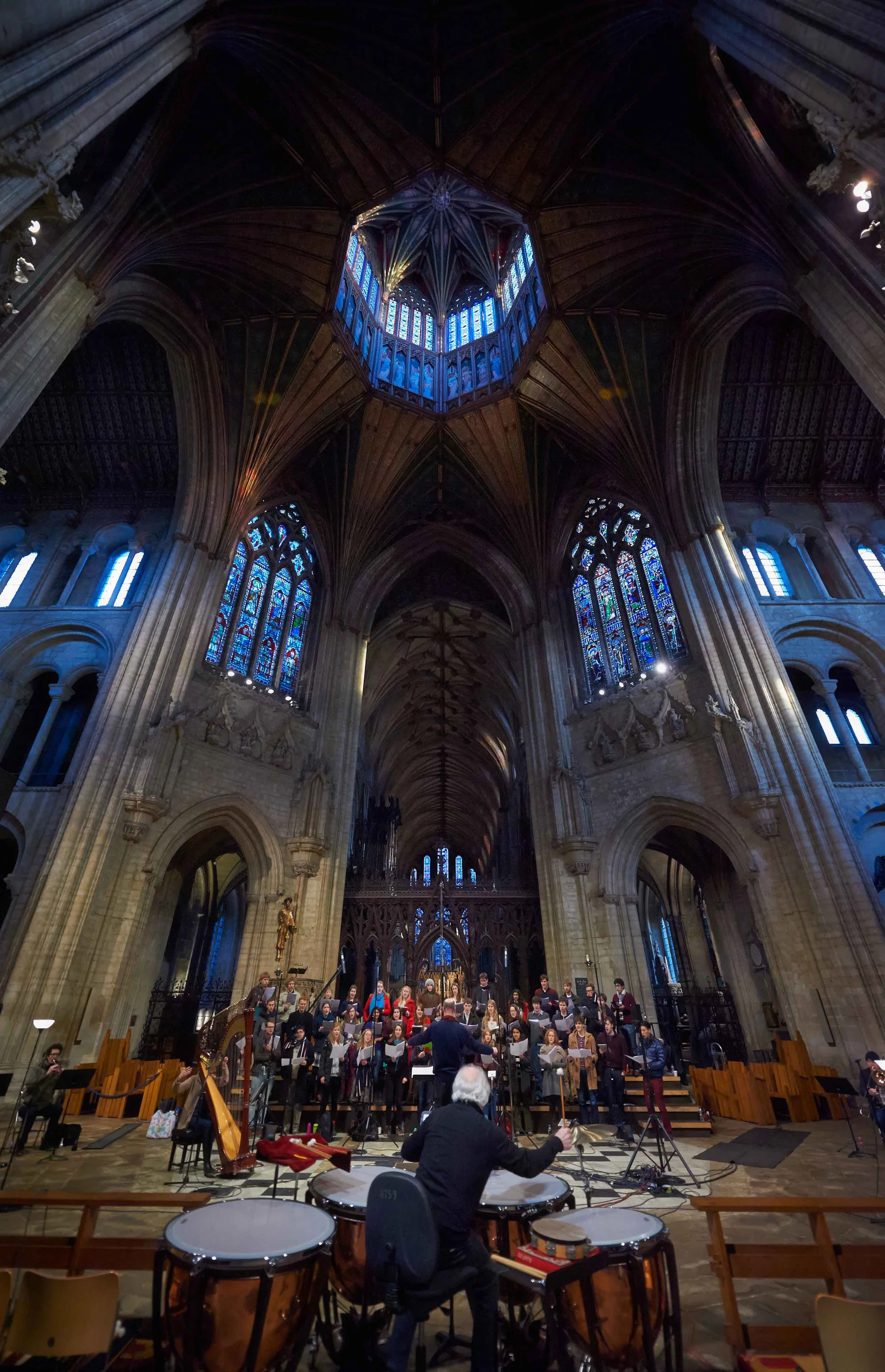
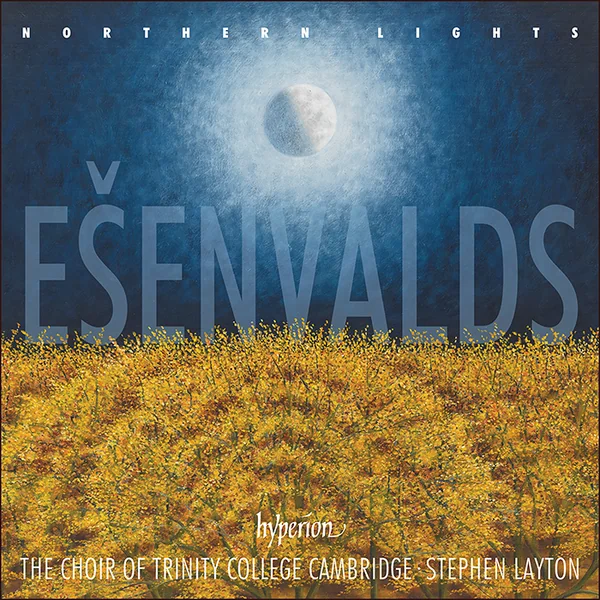
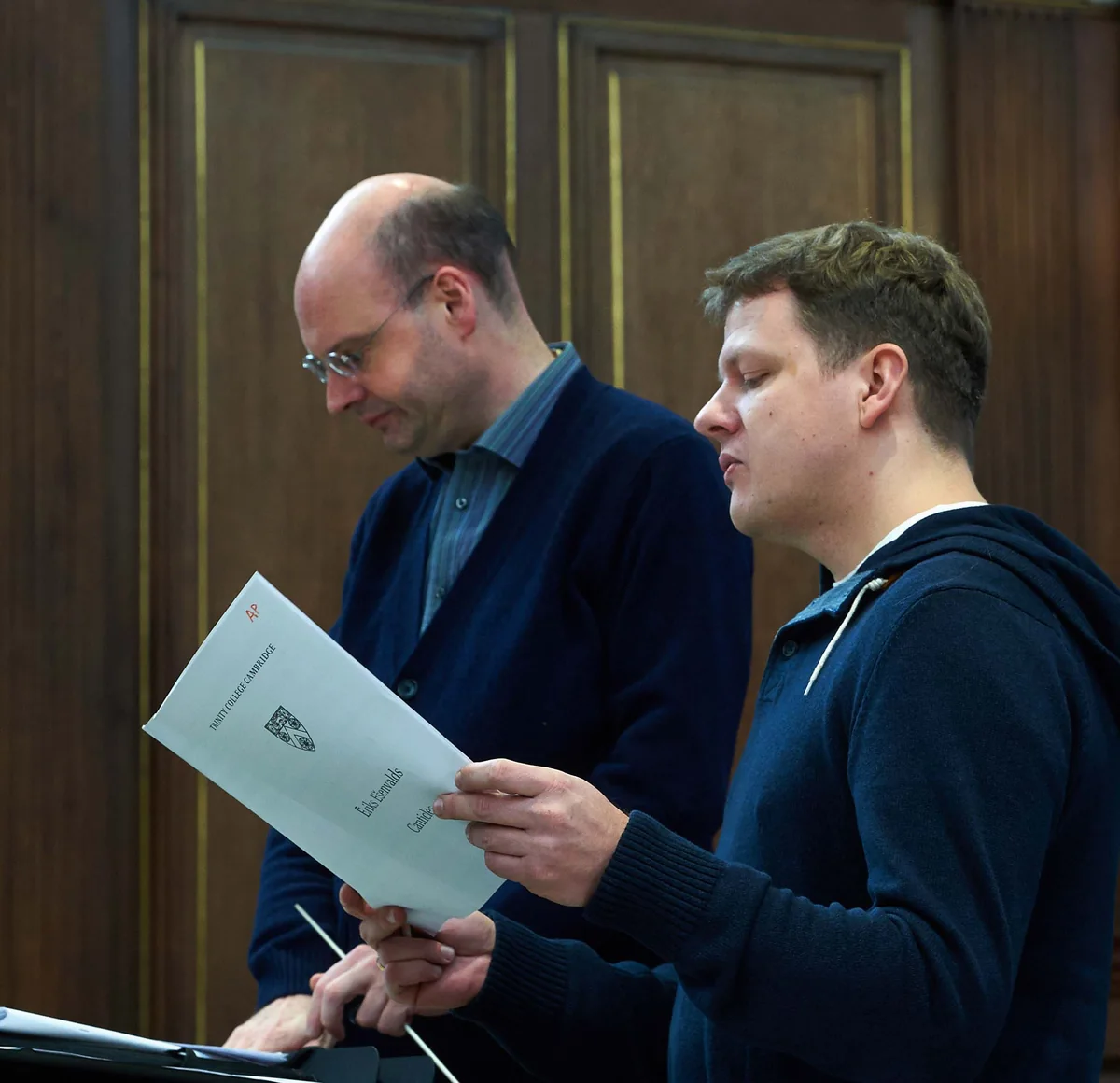
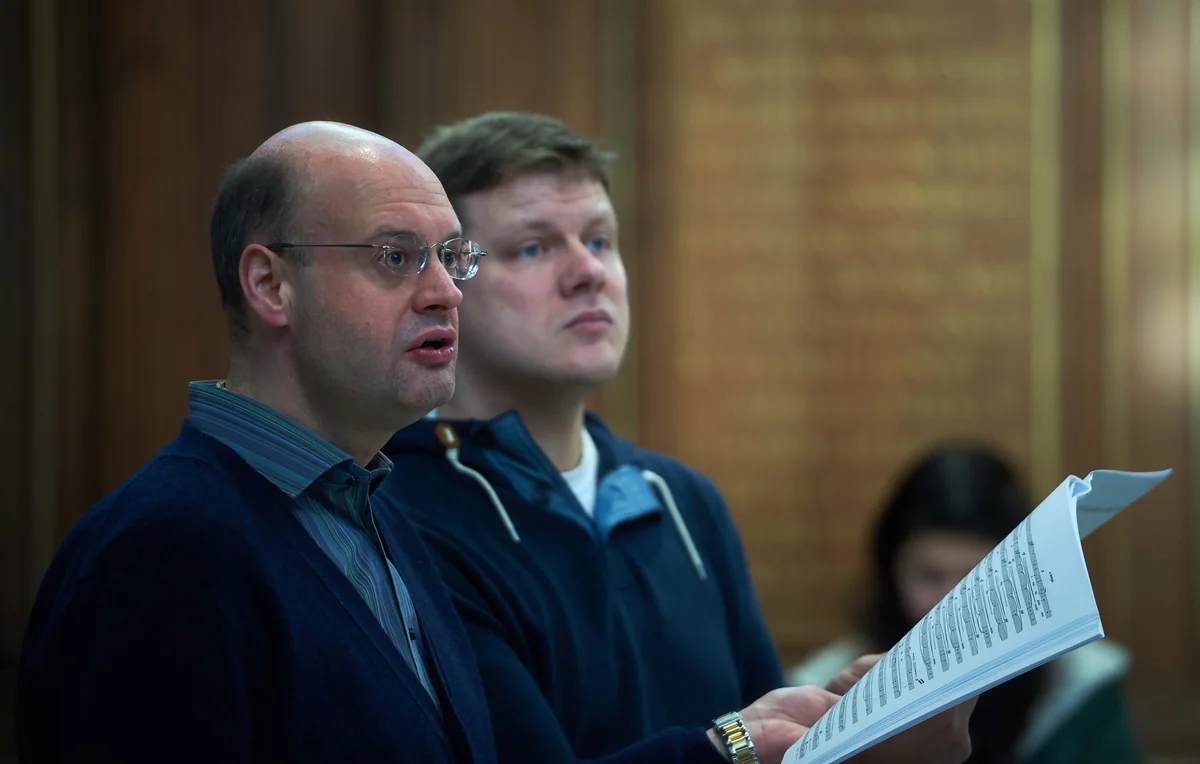
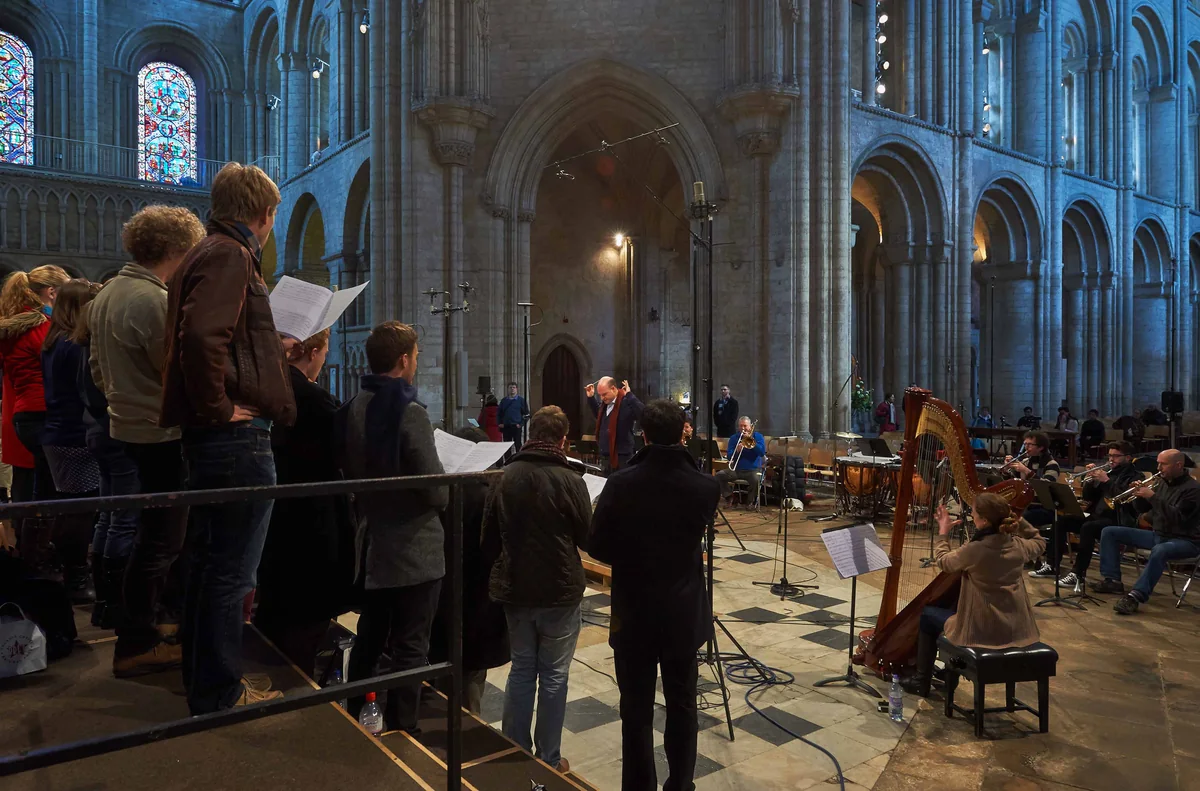
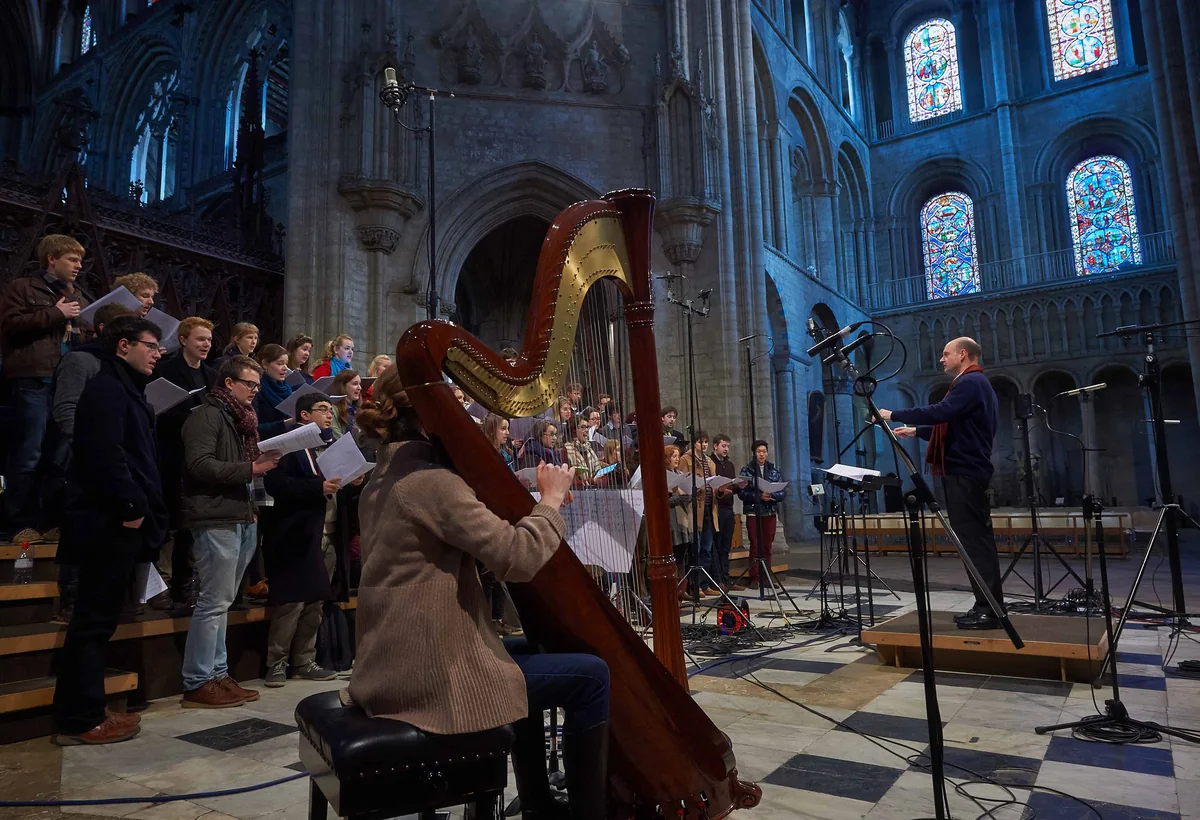
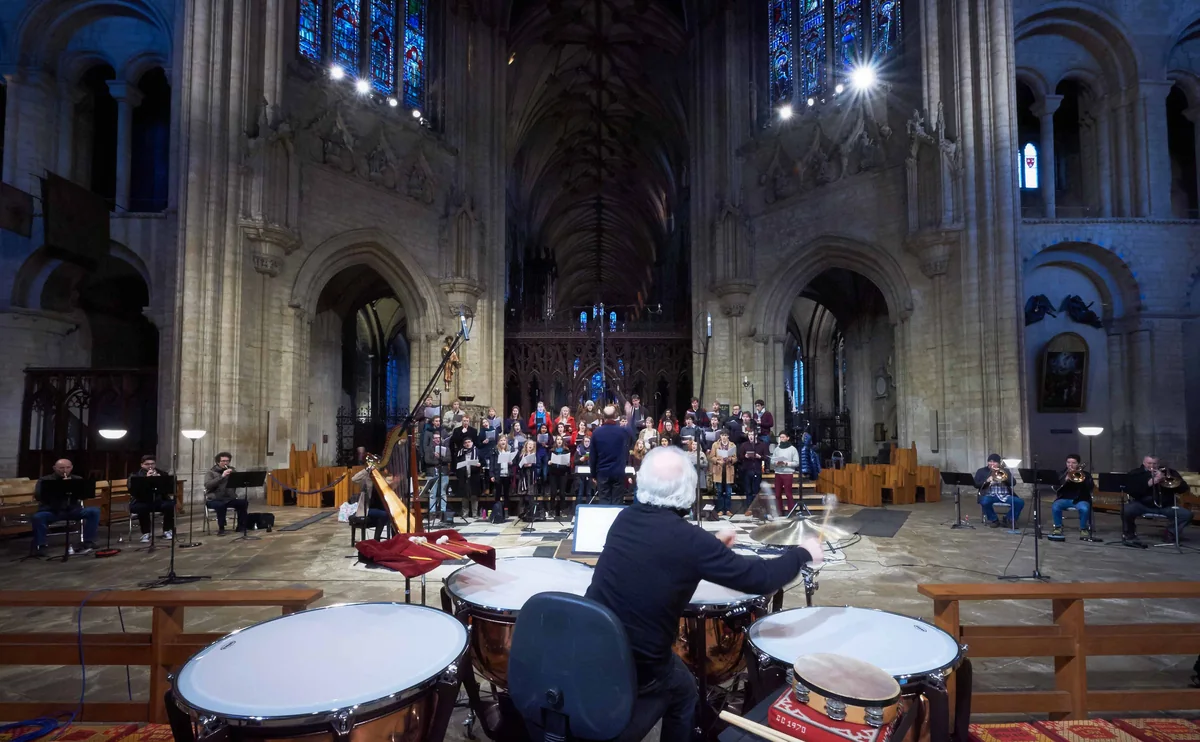
A second Hyperion album, Northern Lights, was recorded in January 2014 with the Trinity College choir in the college chapel and Ely Cathedral, and released the following year. Ešenvalds attended the sessions, where musical ideas were continually tested and reshaped. “There is never one way of doing things,” Layton recalled.
The music
Ešenvalds's own experience as a singer is apparent in his choral writing. Each vocal line has its own melodic shape, and the music sits naturally in the voice. The two soprano soloists suspended above the choir in O salutaris hostia, or the gathering intensity of Psalm 67 at the words “God shall give us his blessing”, are among the moments to which Layton has returned in performances with very different choirs.
Gallery
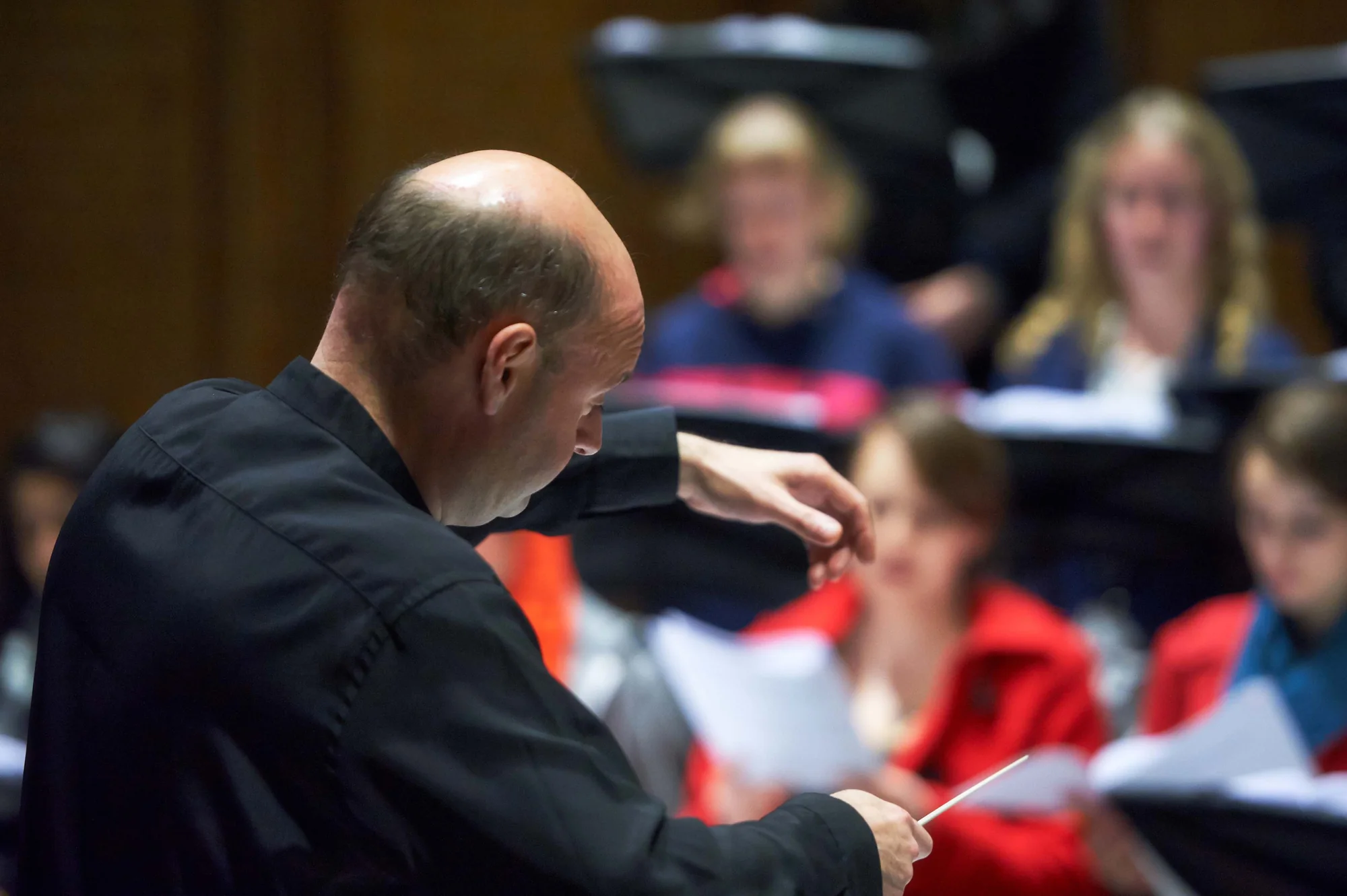
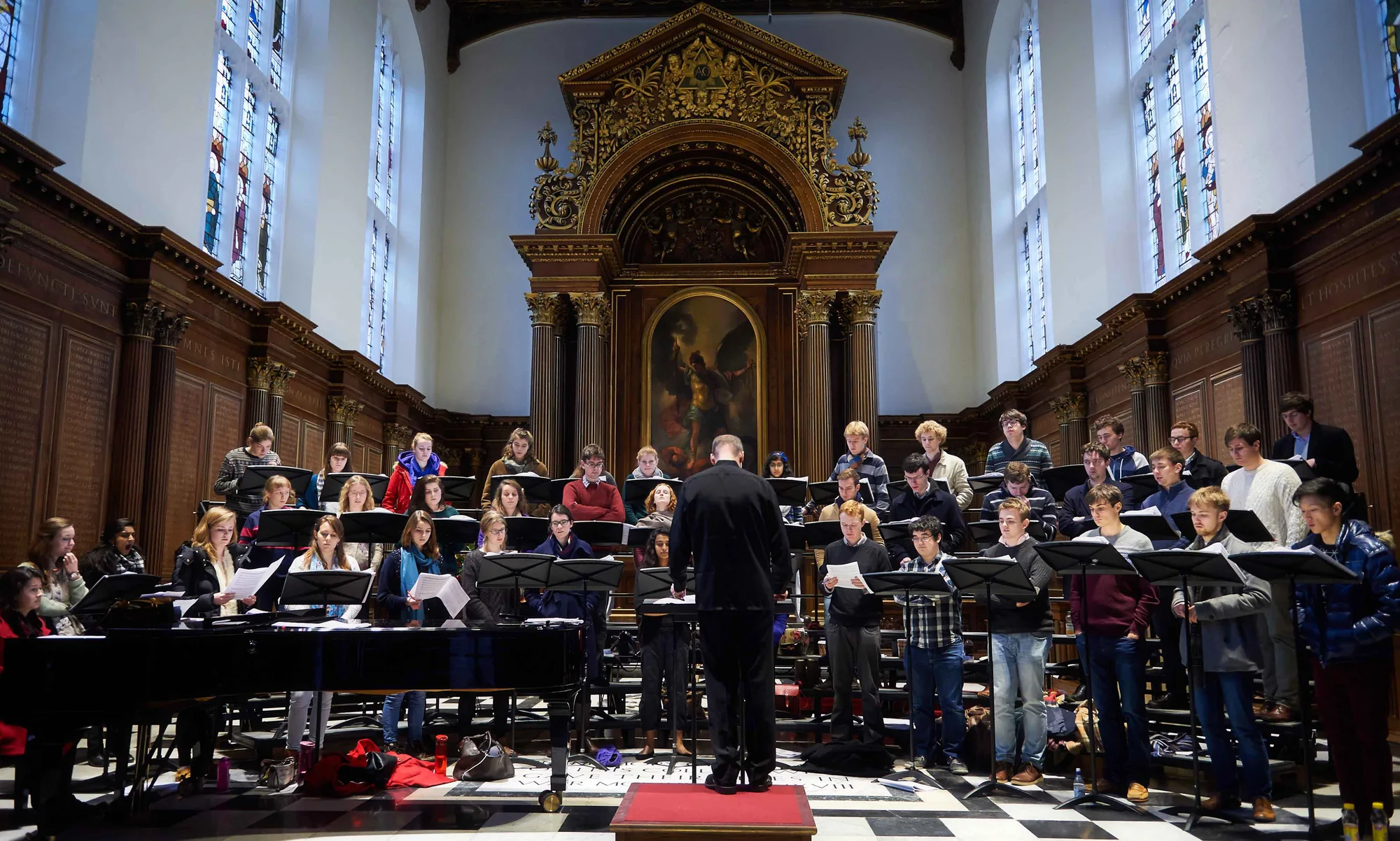
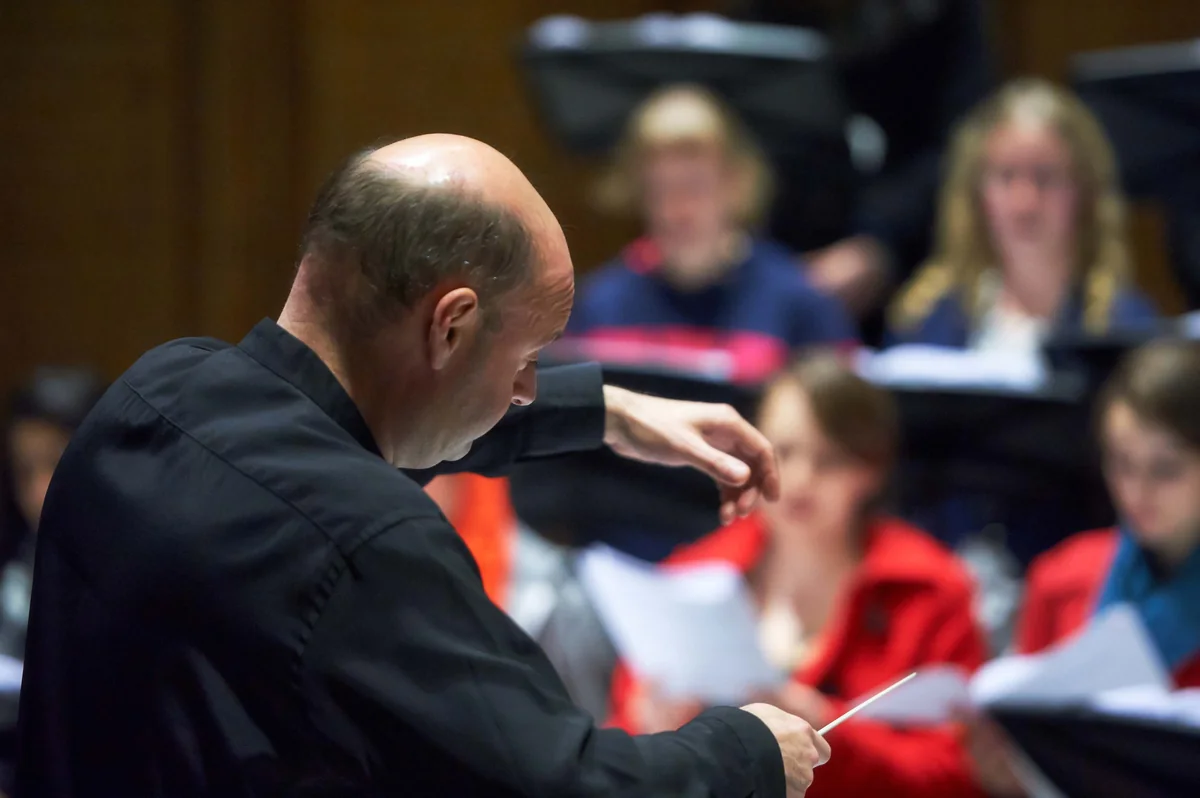 Layton rehearses in Trinity Chapel
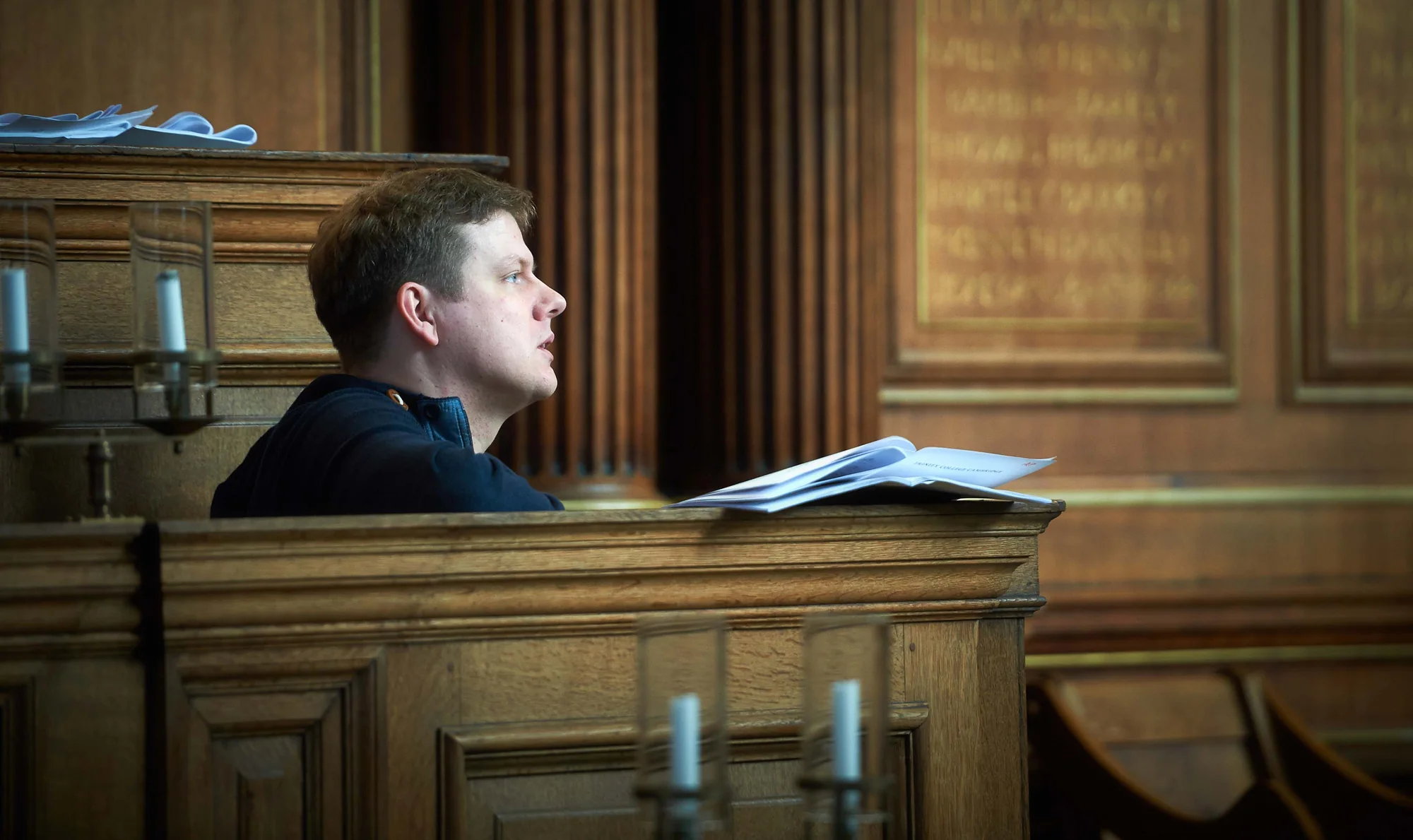
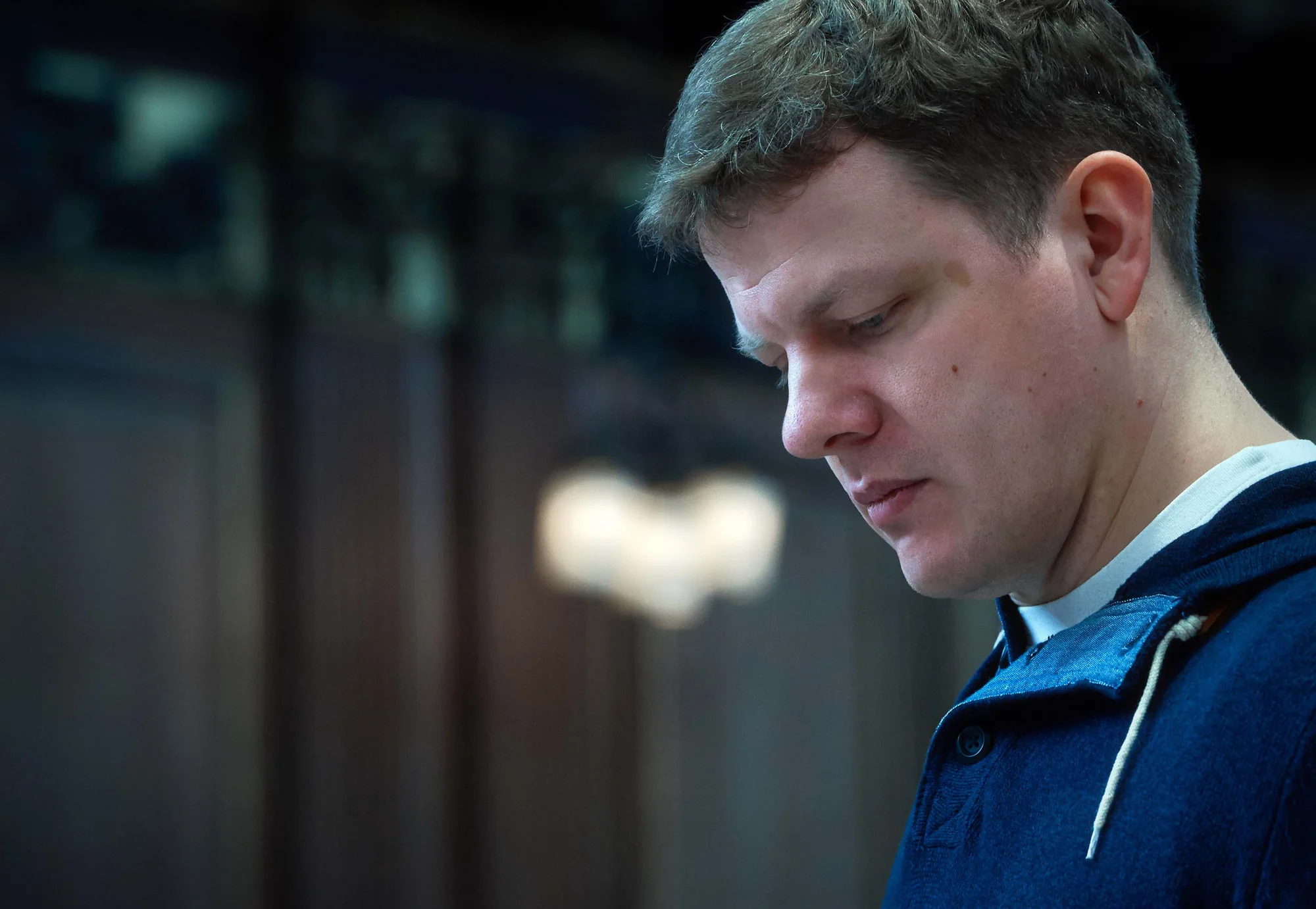
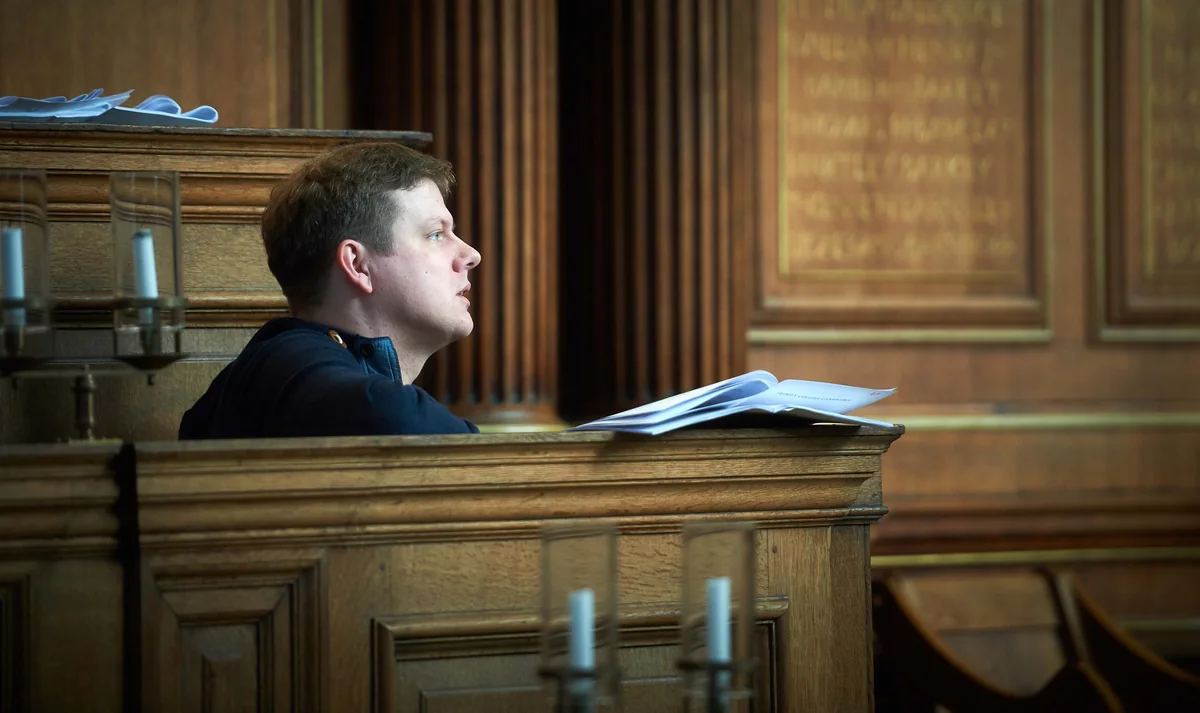 Ešenvalds observes
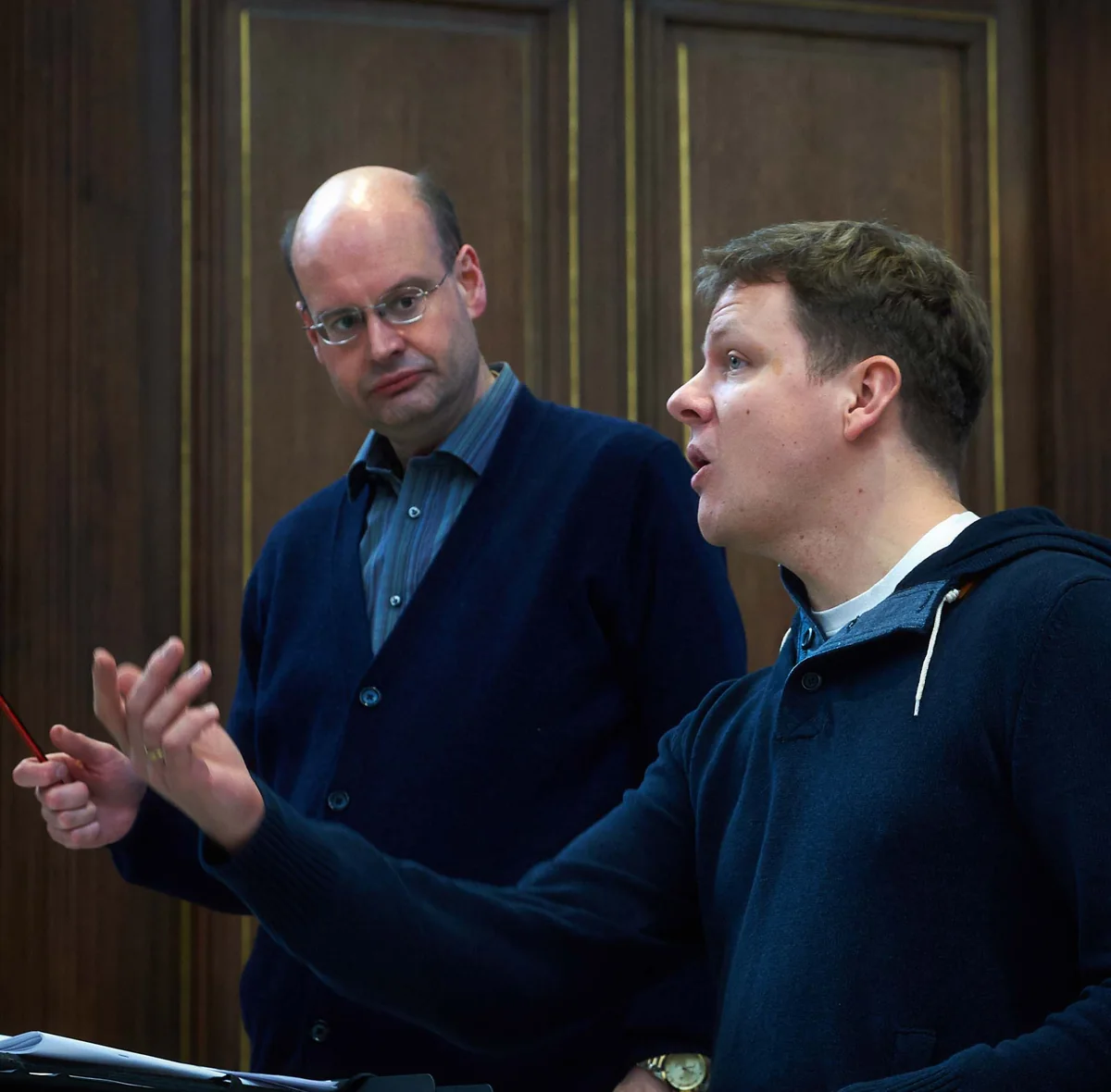 "...things were constantly changing and being re-invented as we went along."
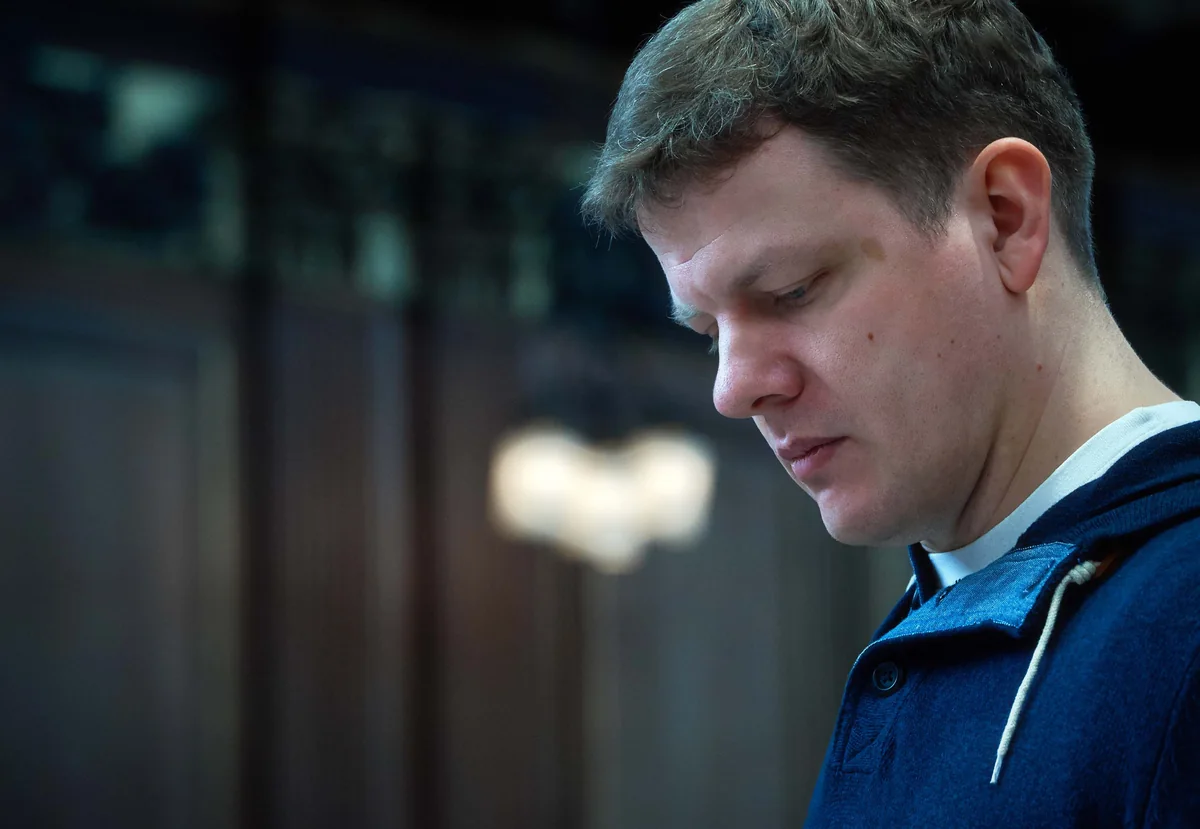 Ešenvalds - a "compositional chameleon"
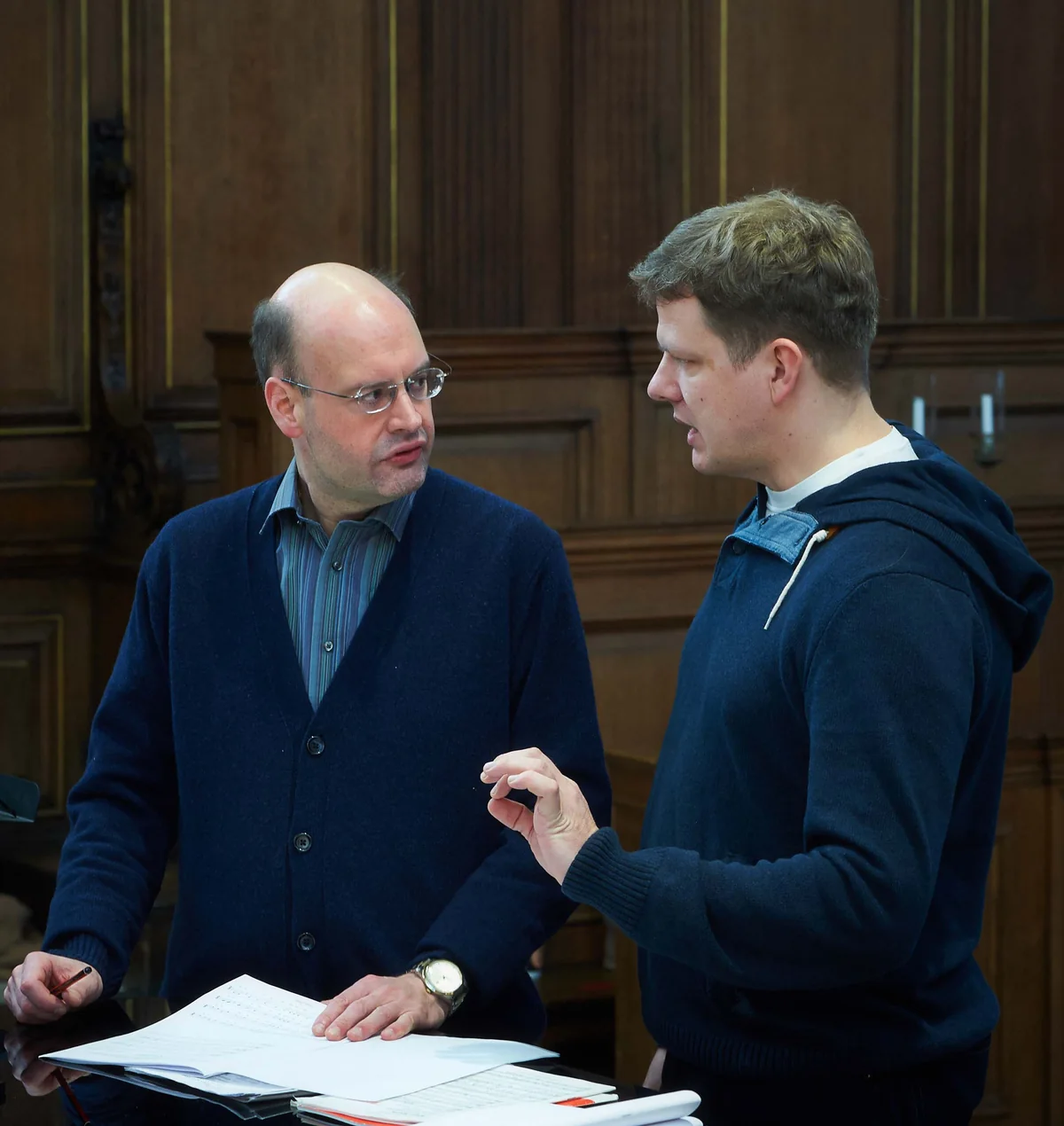 “There is never one way of doing things”
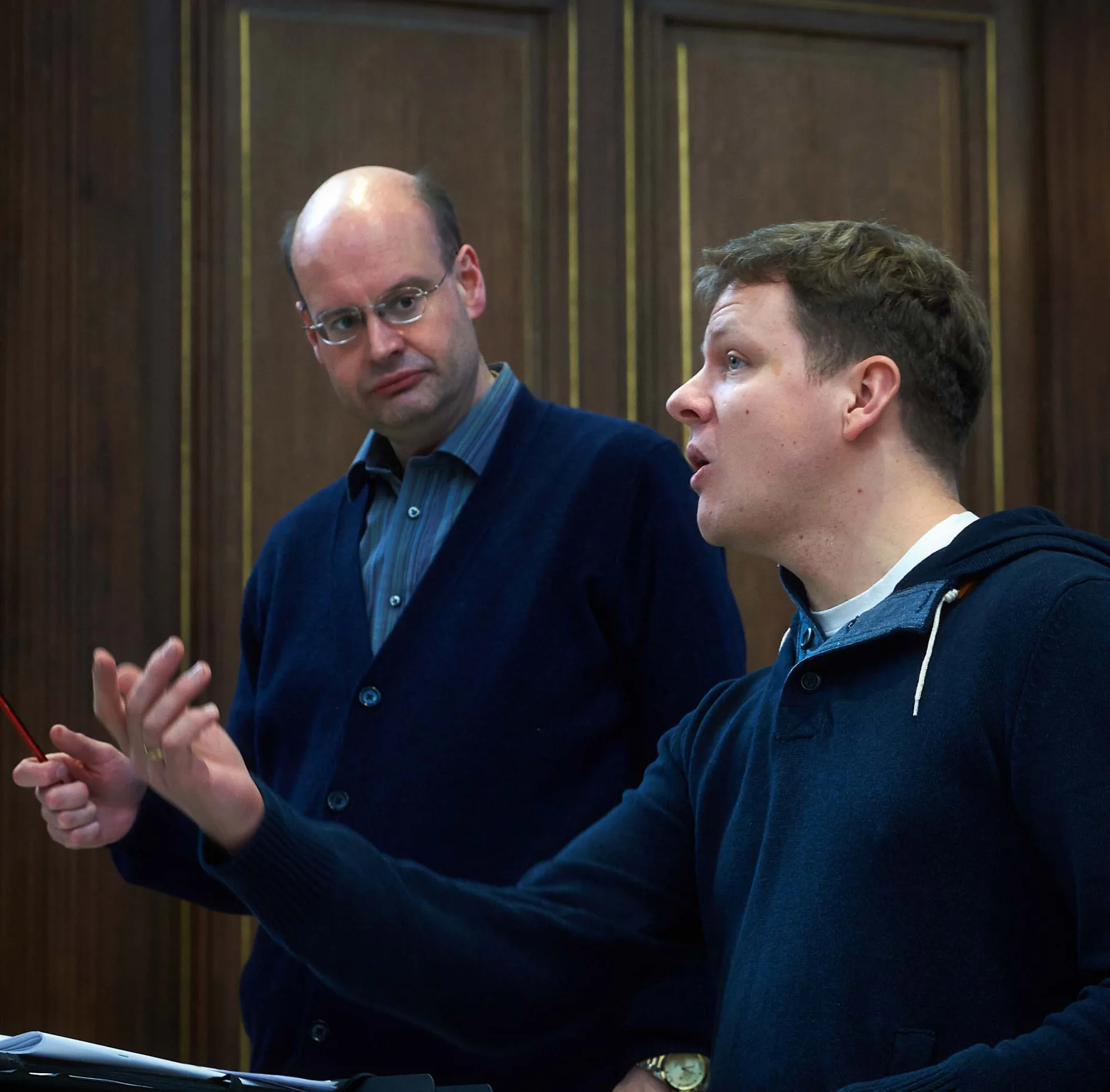
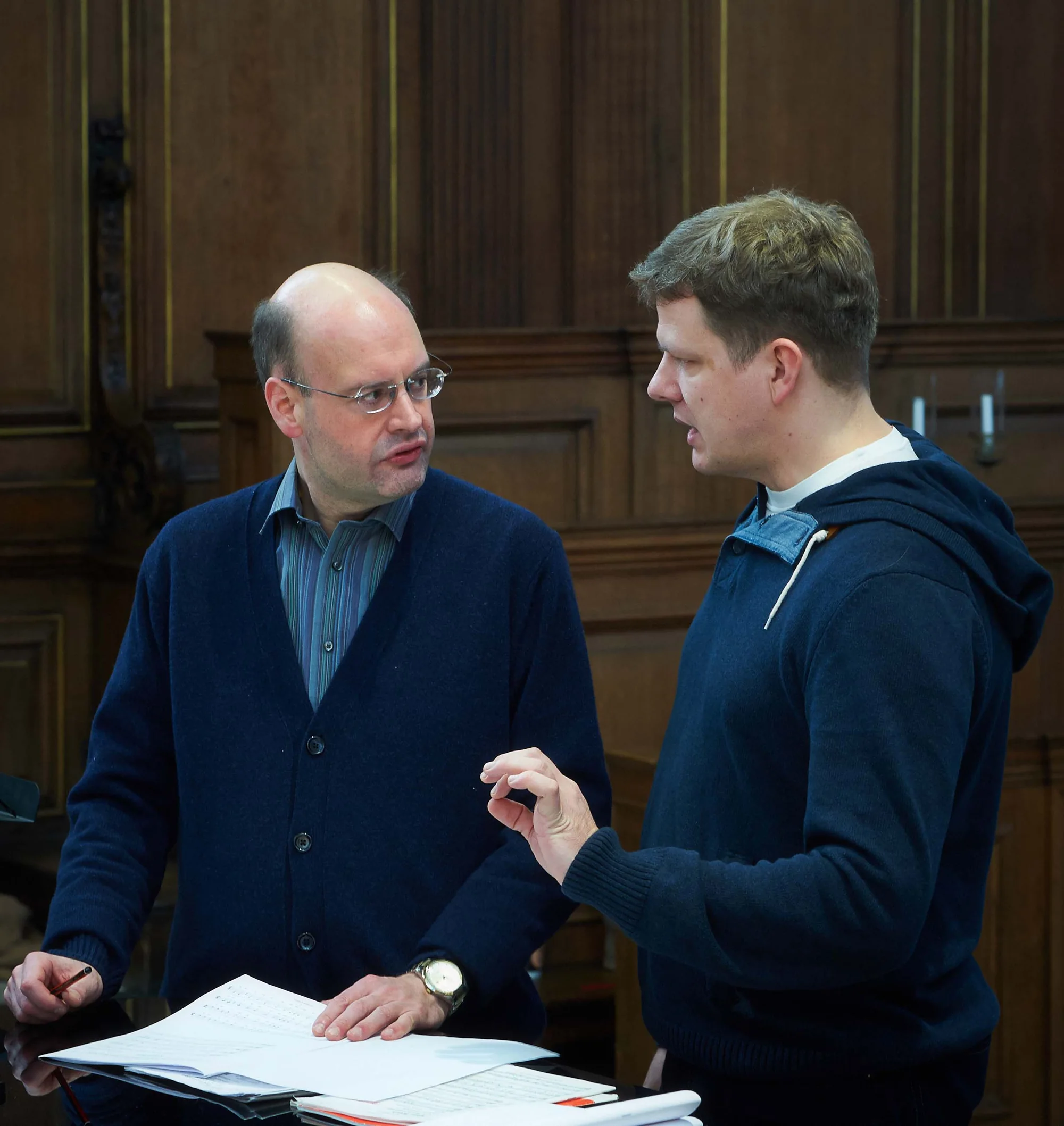
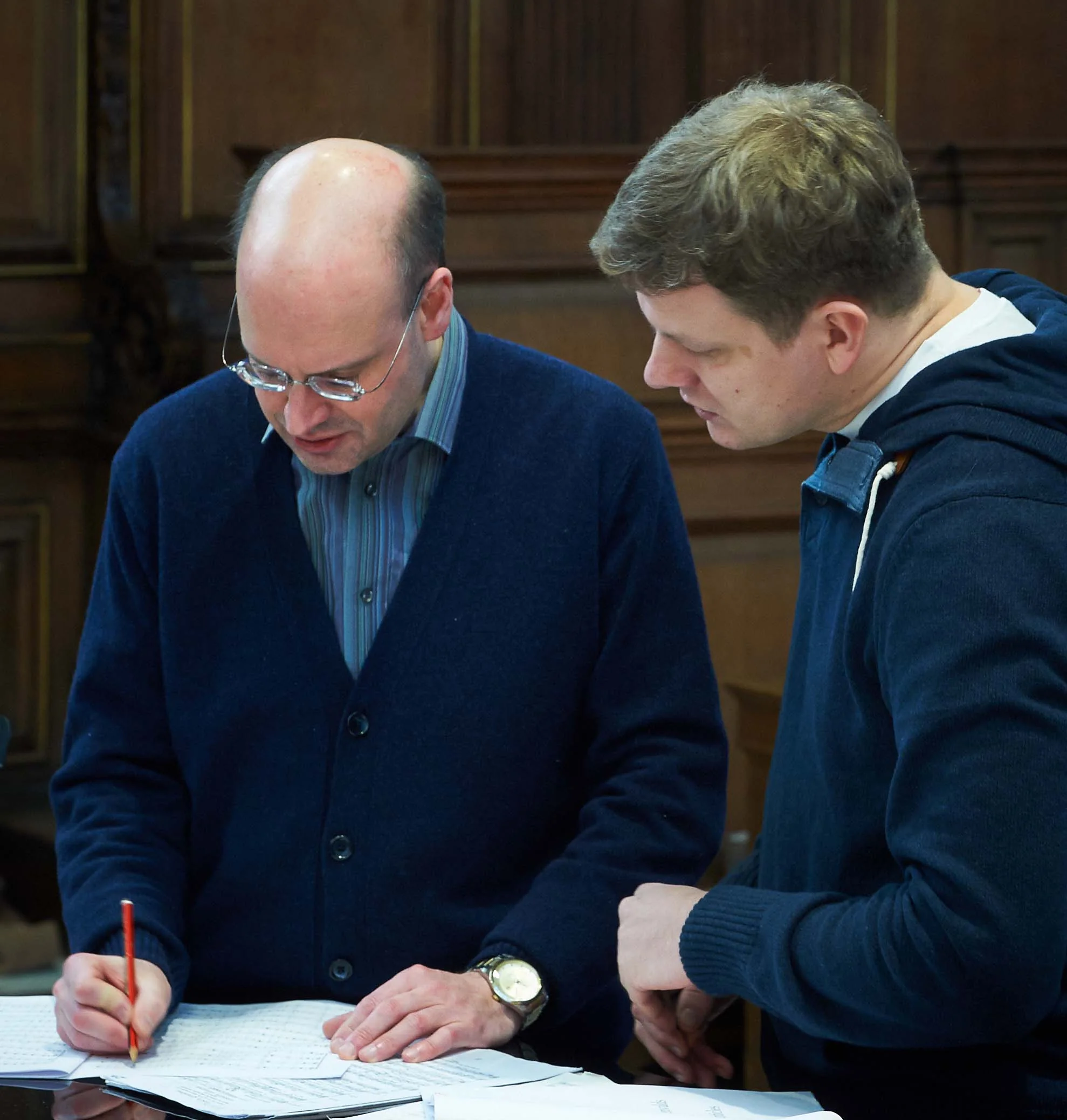
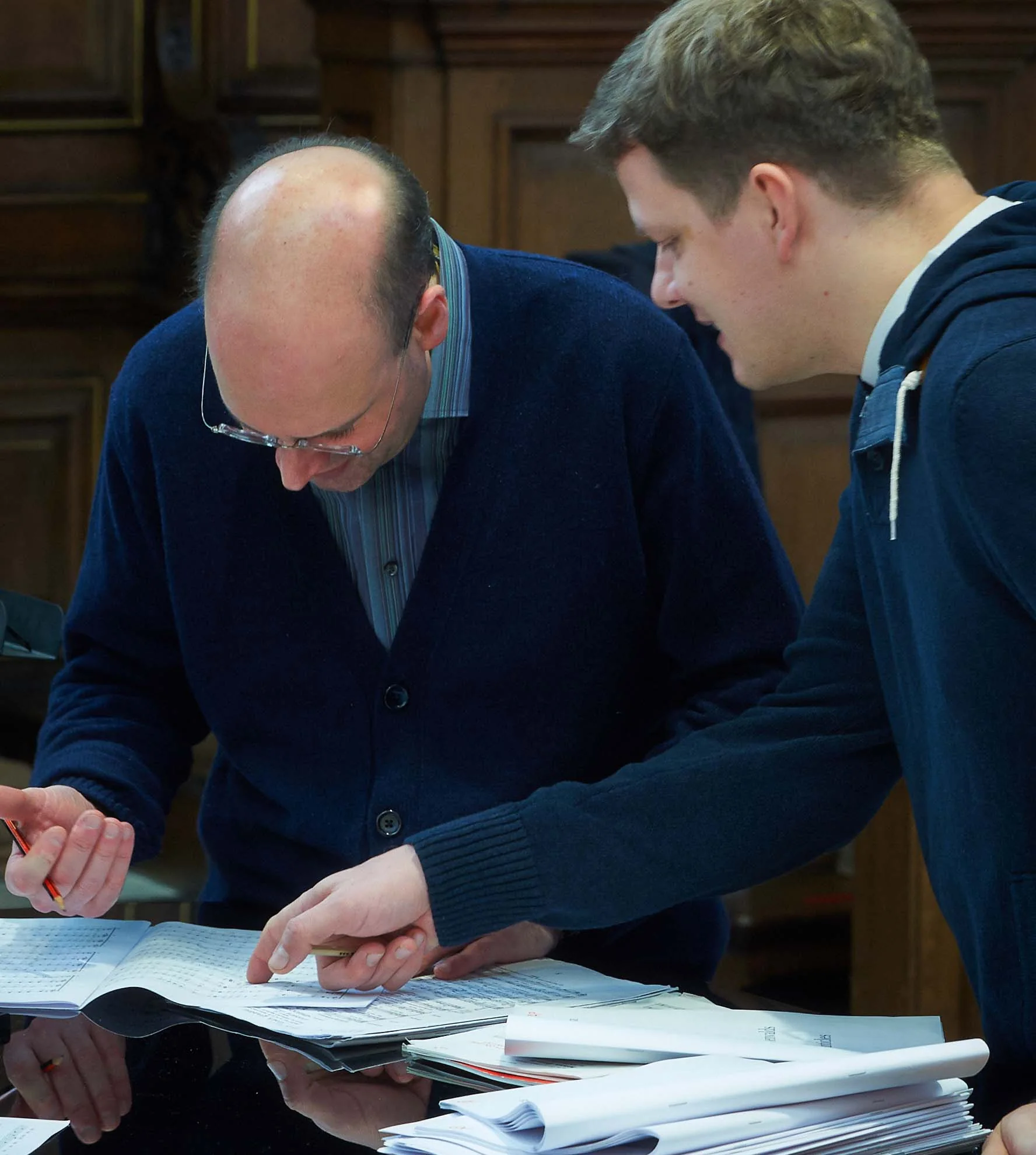
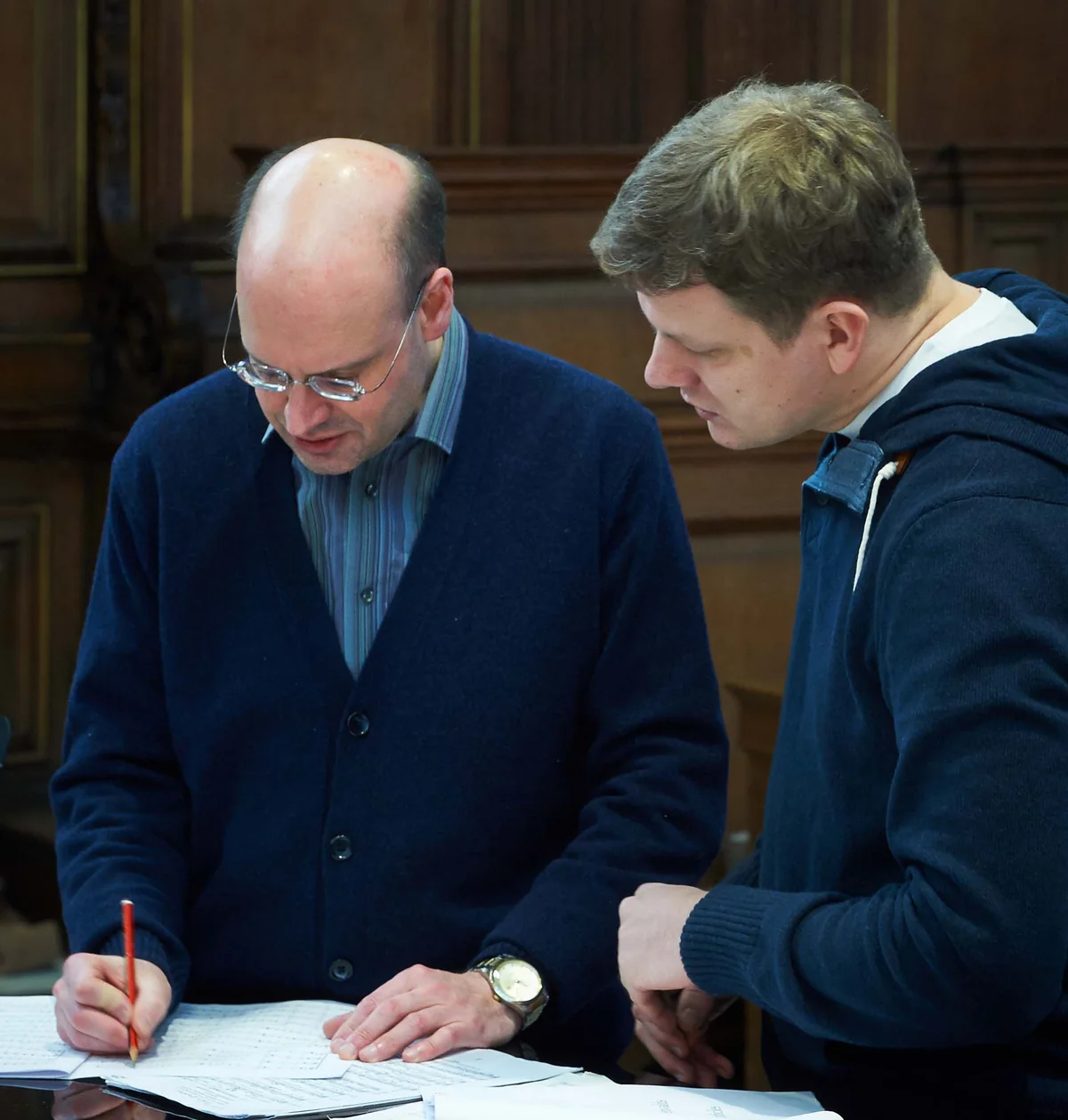 Ešenvalds and Layton explore the score
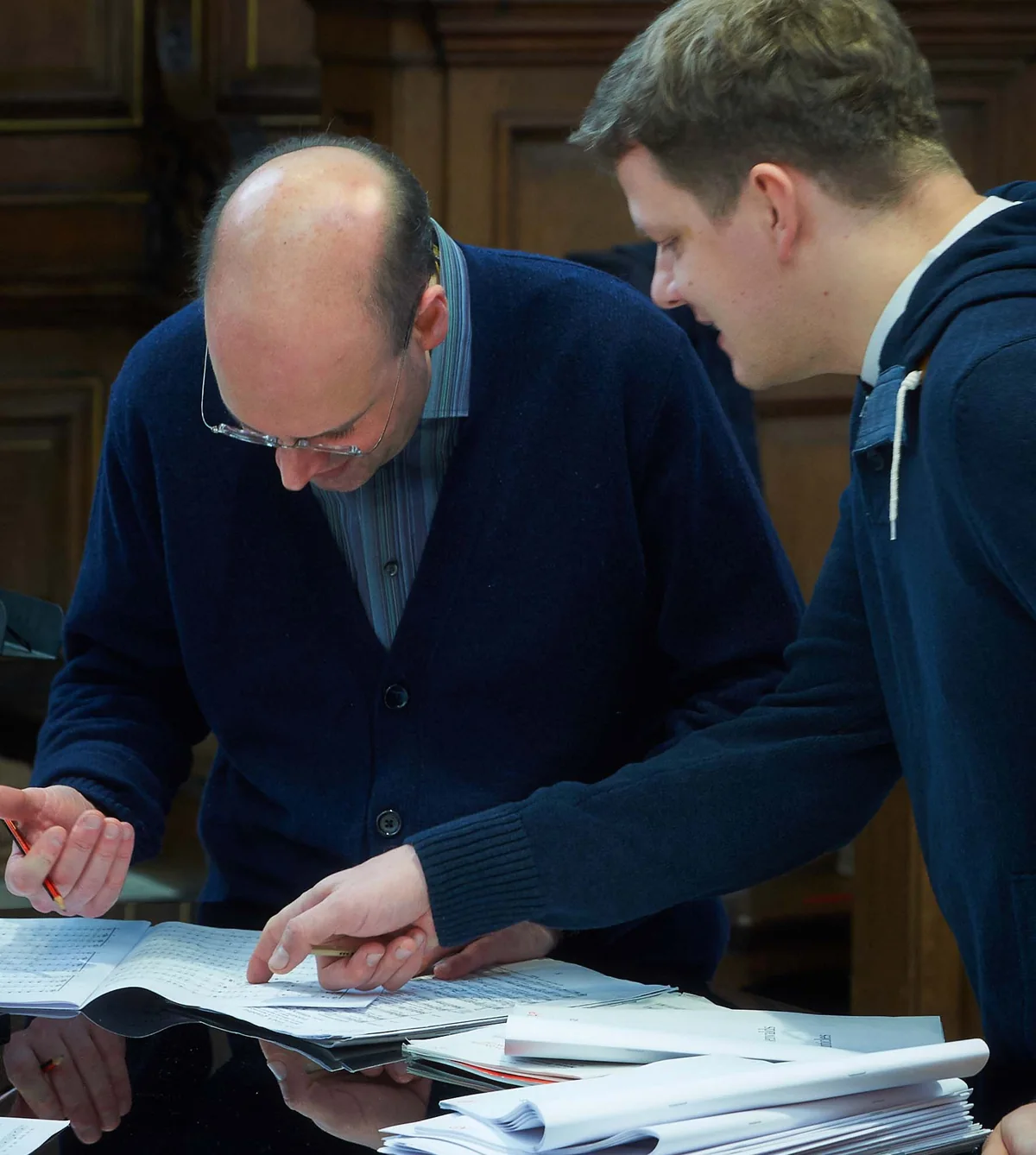 A true collaboration is one where creativity is stimulated in both parties
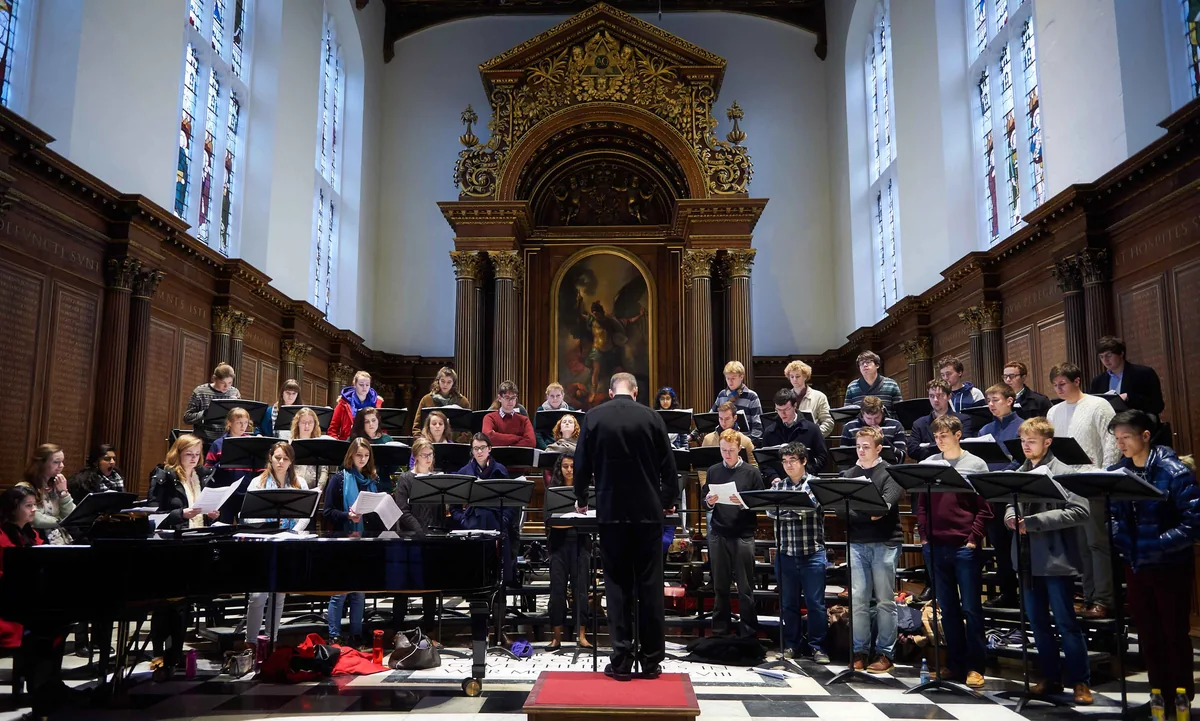 Layton and Trinity College Choir in Trinity Chapel
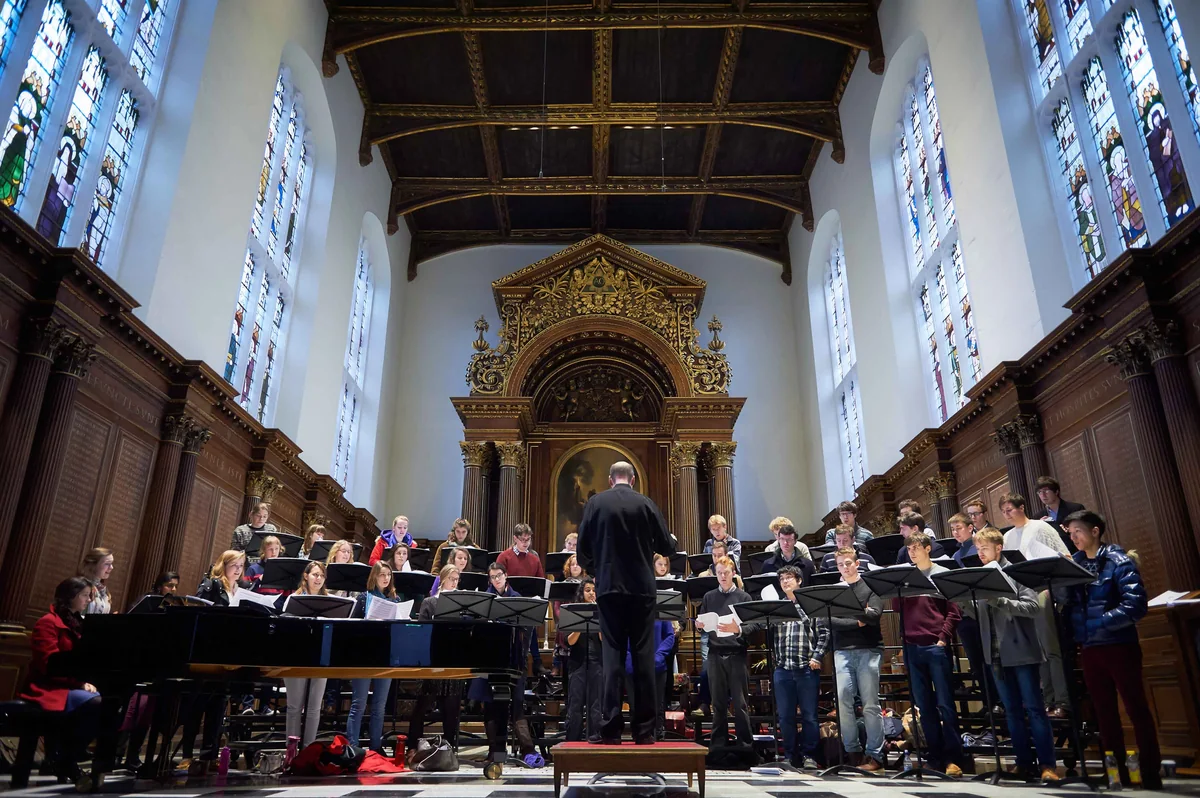 Layton and Trinity College Choir in Trinity Chapel
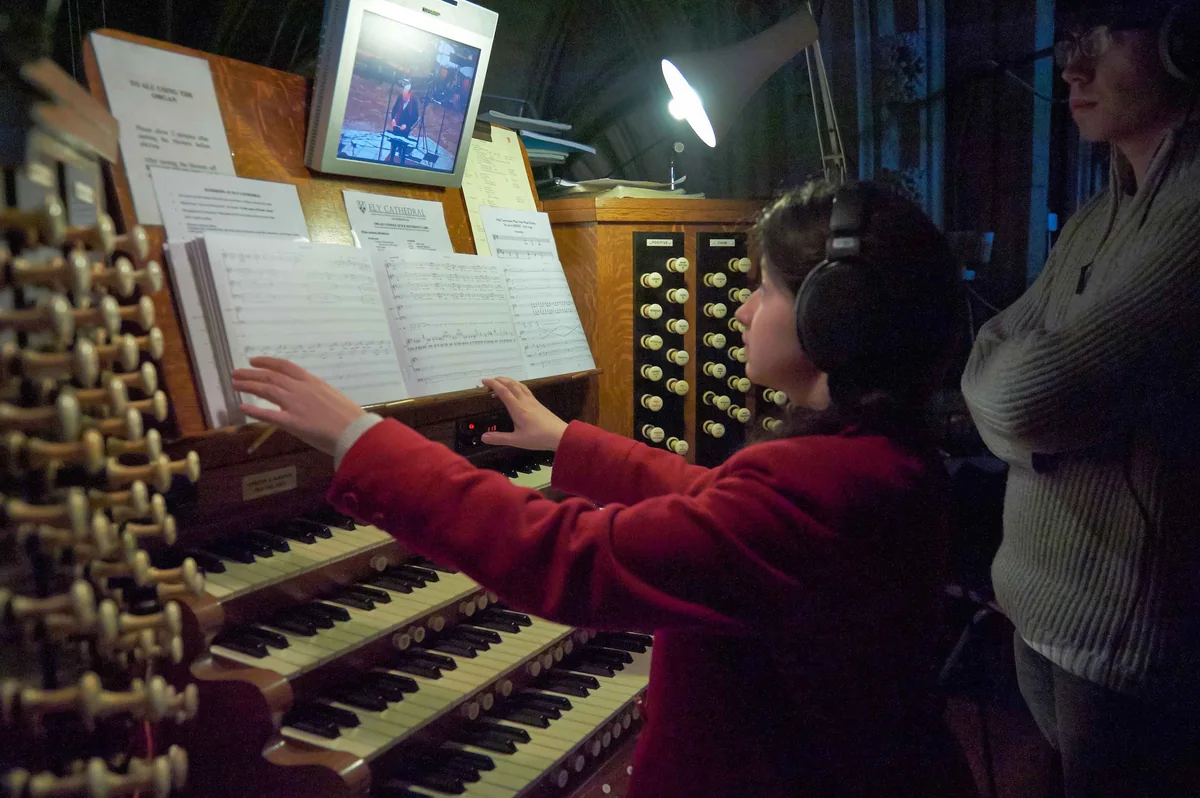 Organ Scholars at the console in Ely Cathedral
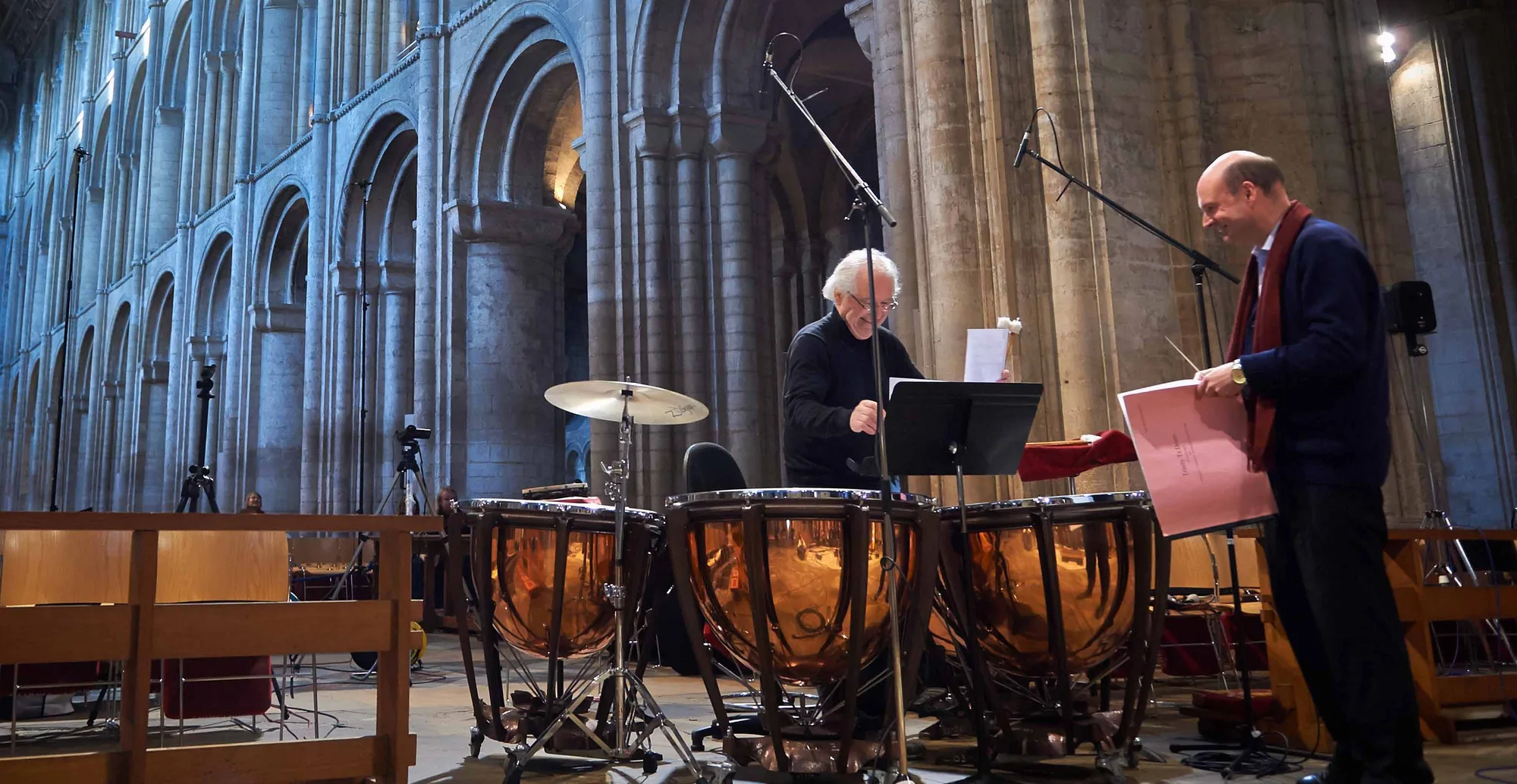
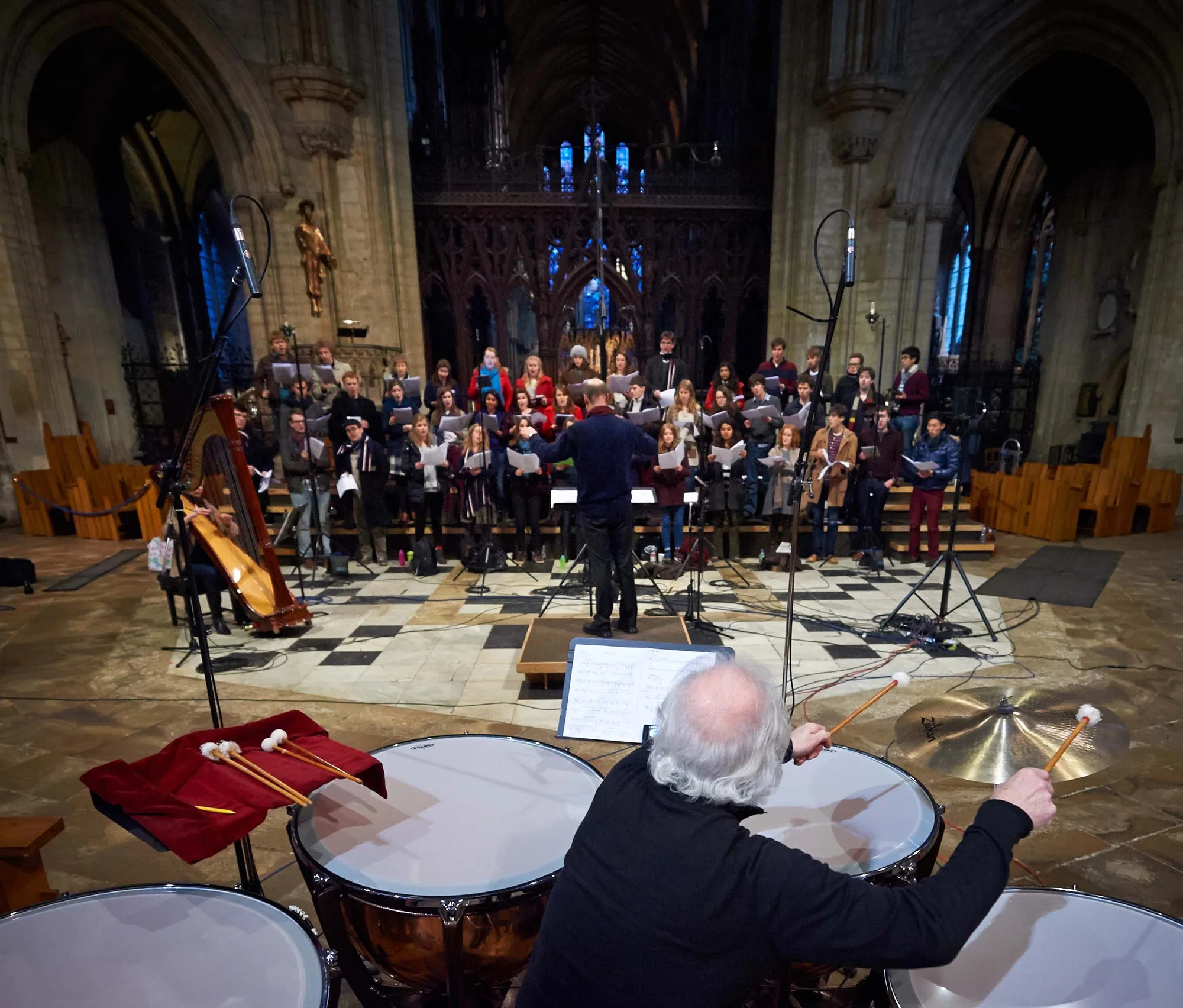
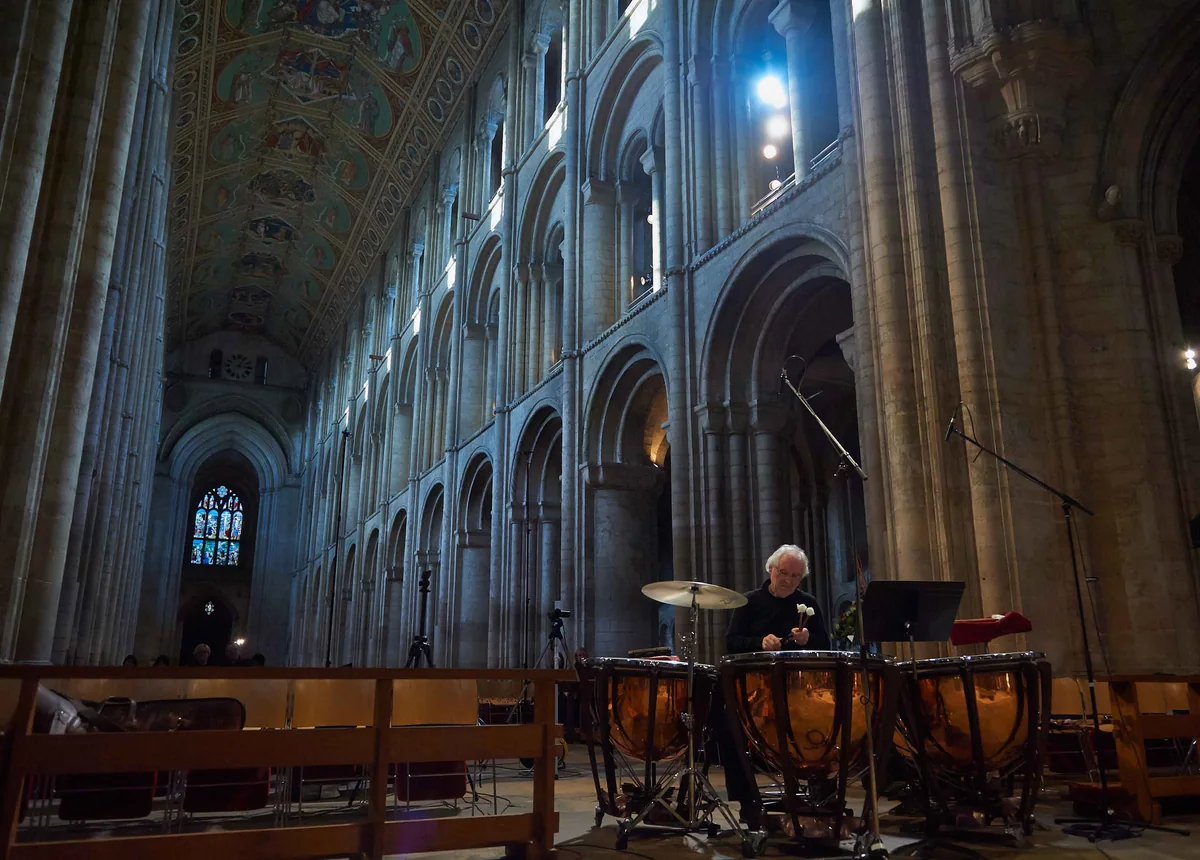 The Trinity Te Deum features percussion
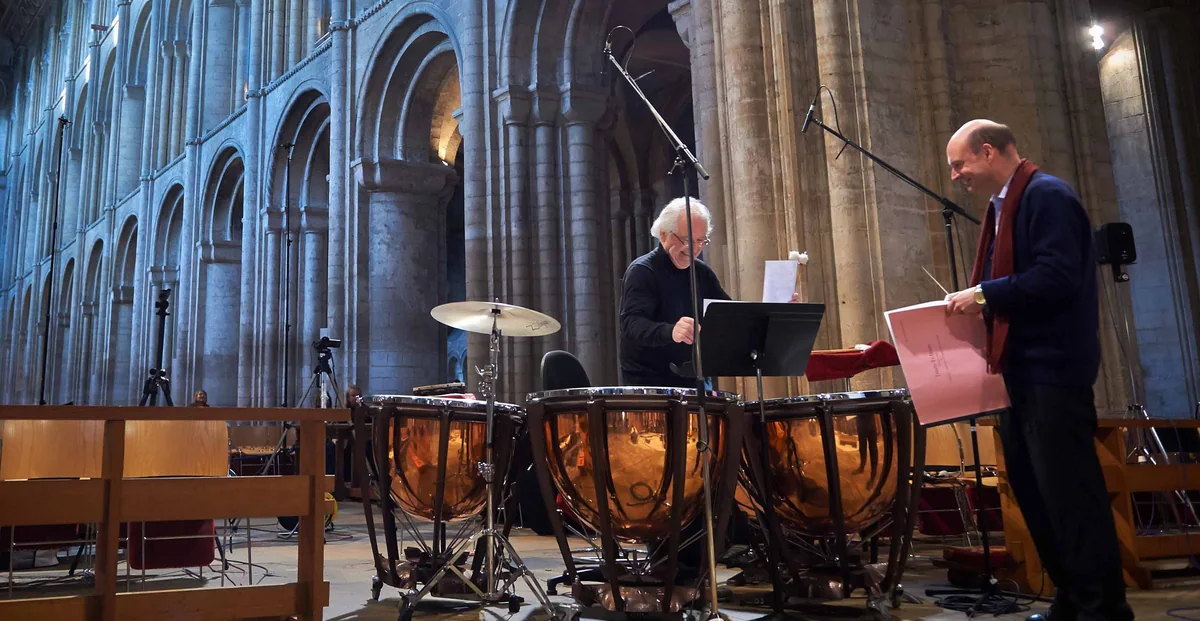 Stephen Layton with percussionist Robert Howes
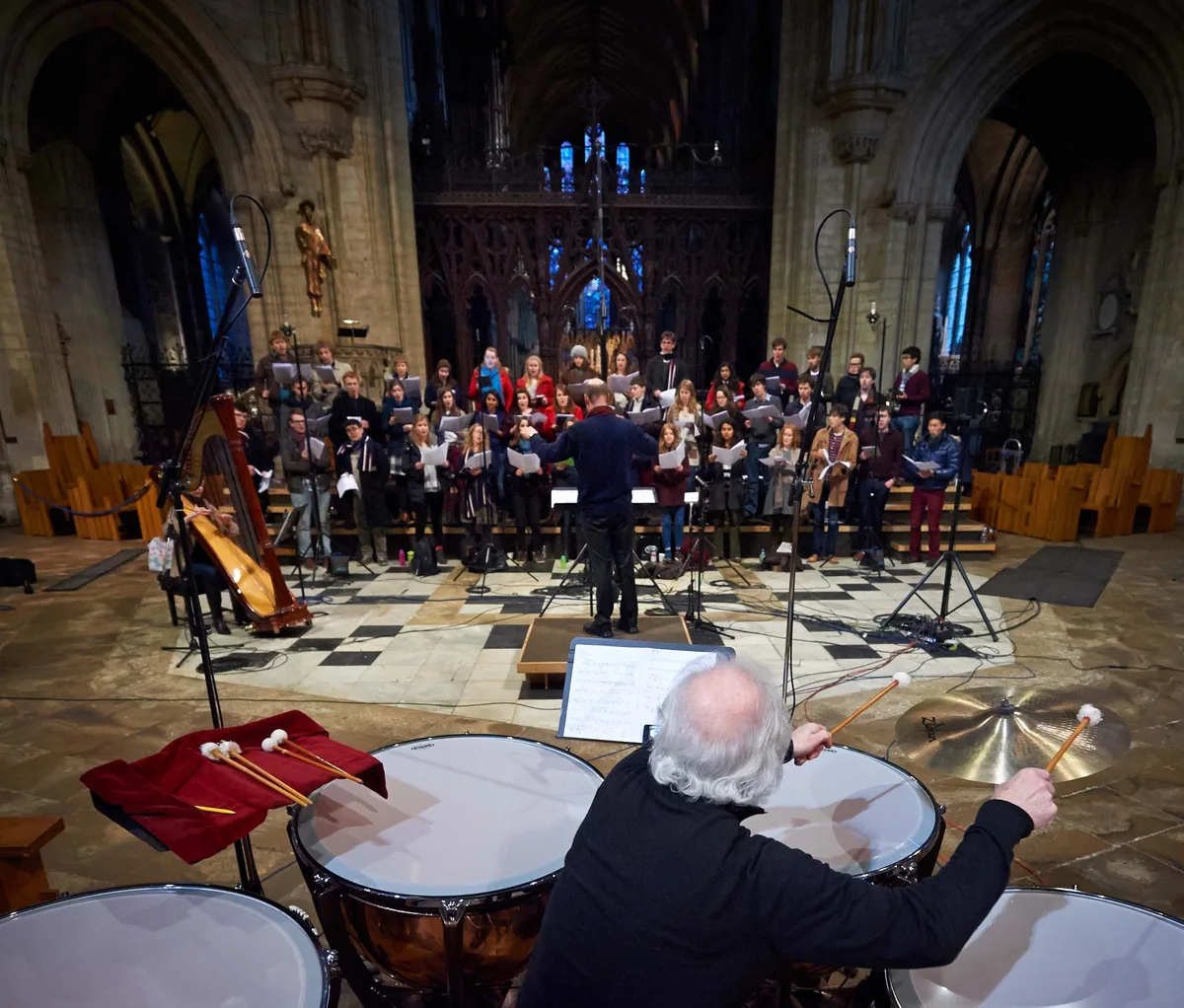 Full forces join to record the Trinity Te Deum
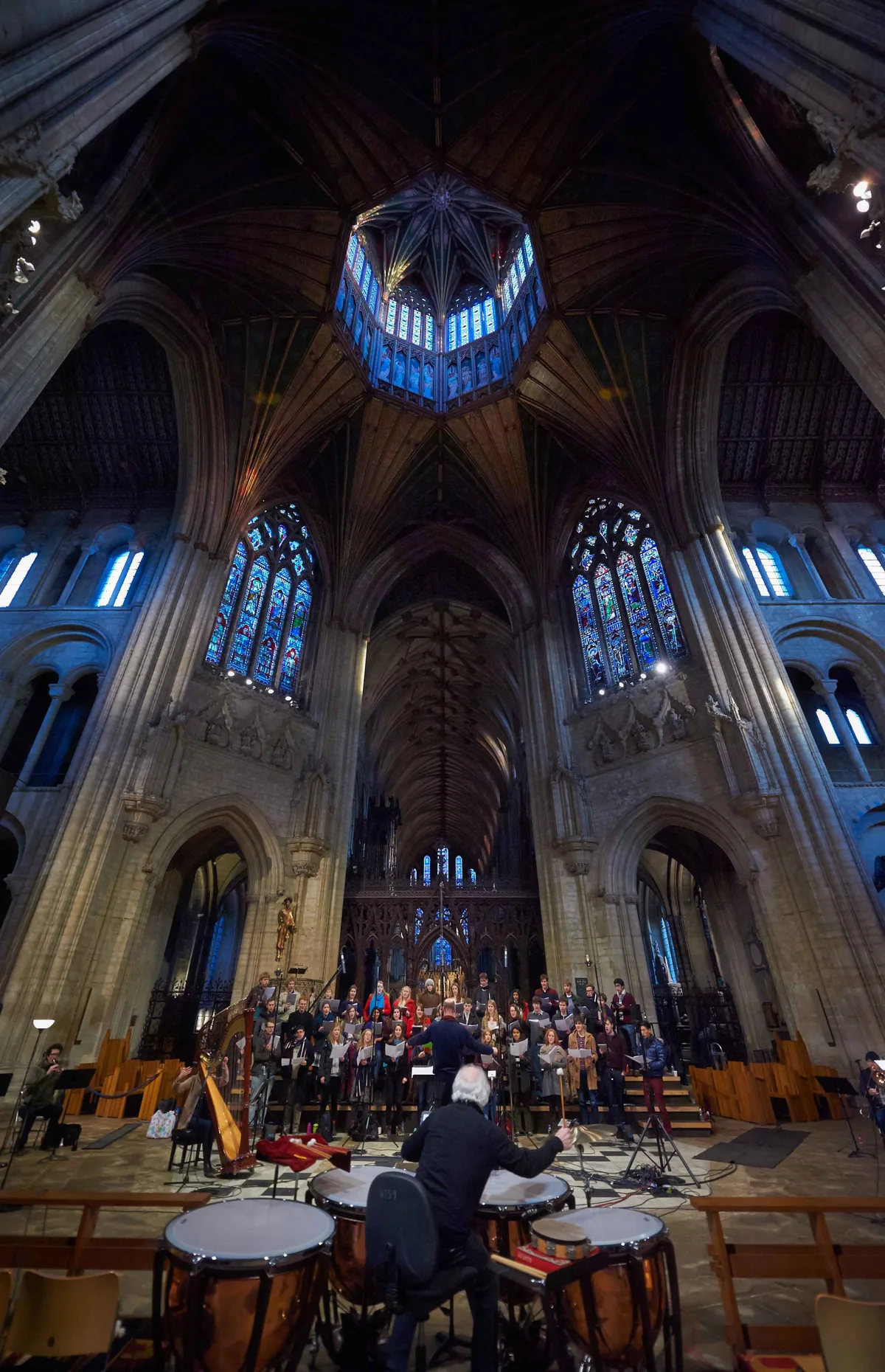 Recording under Ely Cathedral's Octagon
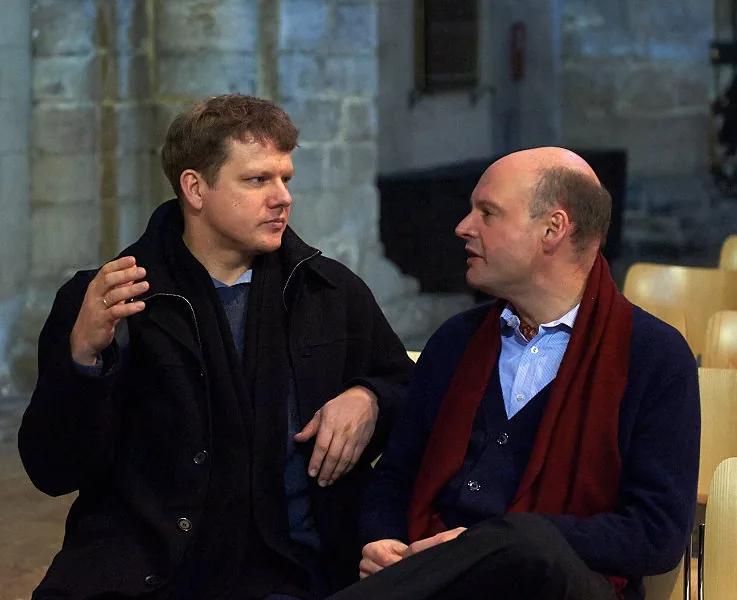 Ēriks Ešenvalds and Stephen Layton
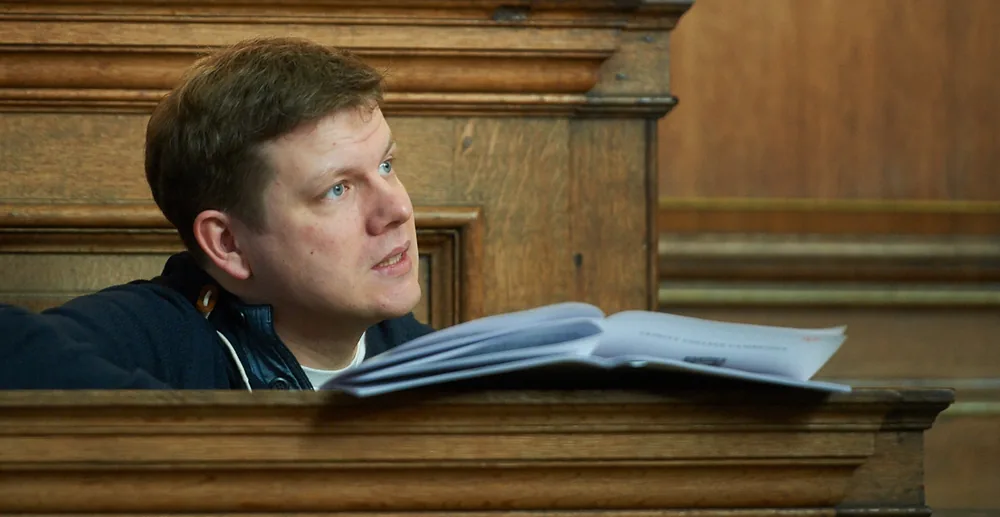 Ēriks Ešenvalds
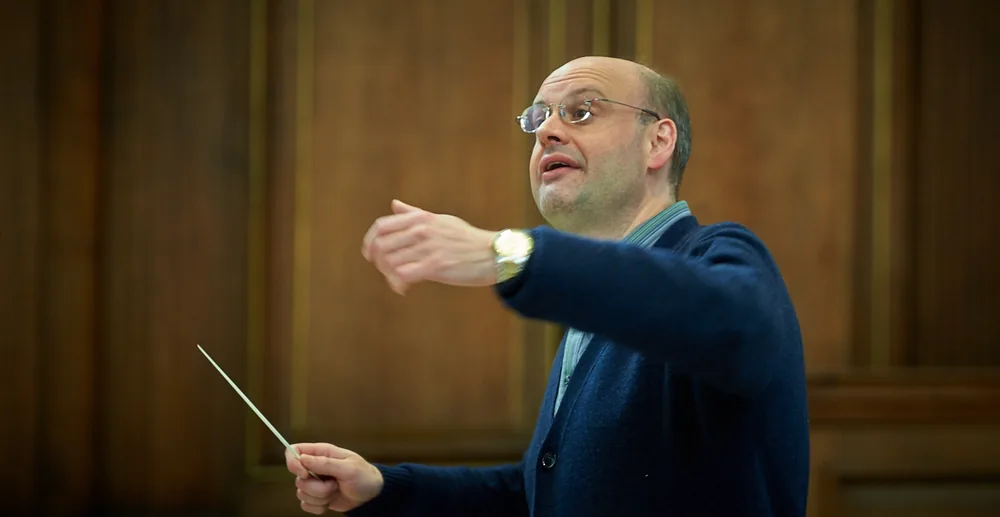 Stephen Layton
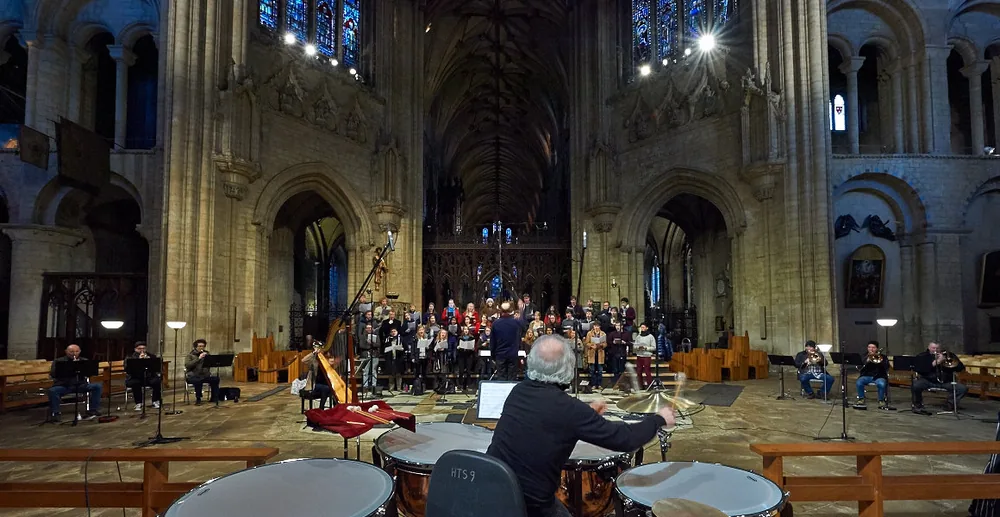 Recording sessions in Ely Cathedral
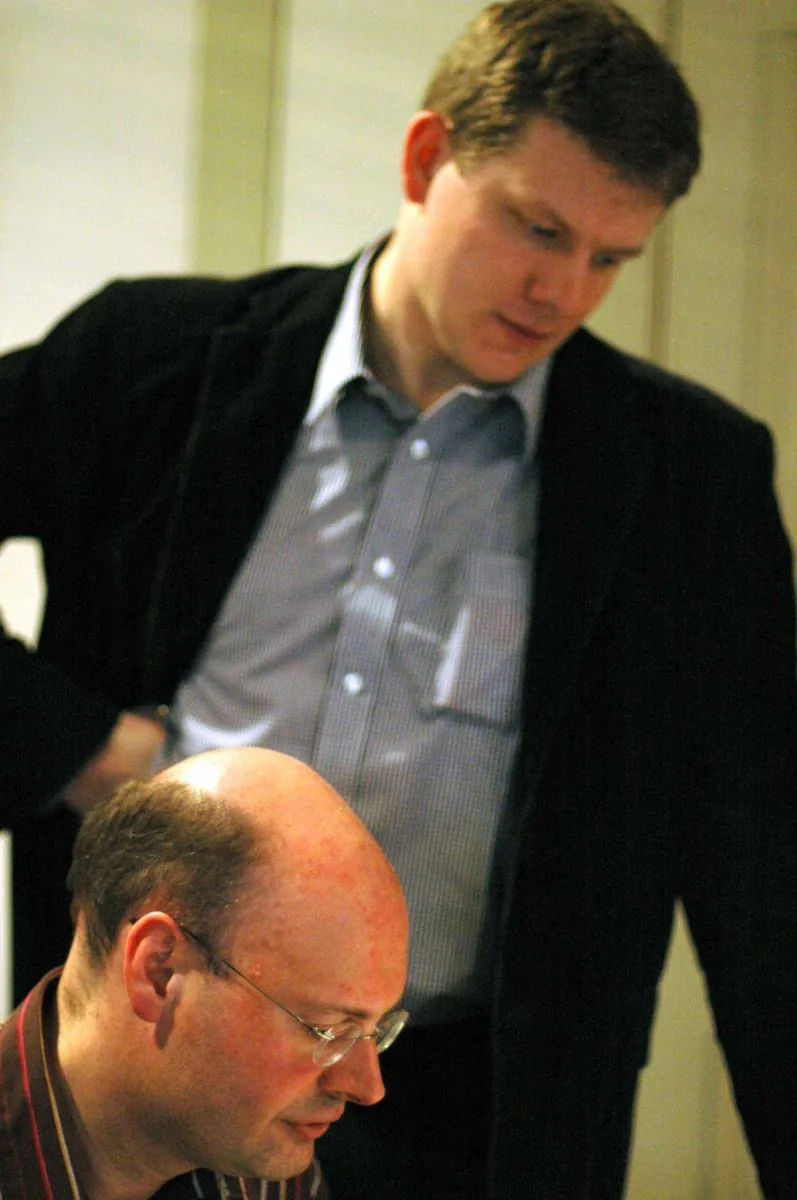 Ēriks Ešenvalds and Stephen Layton
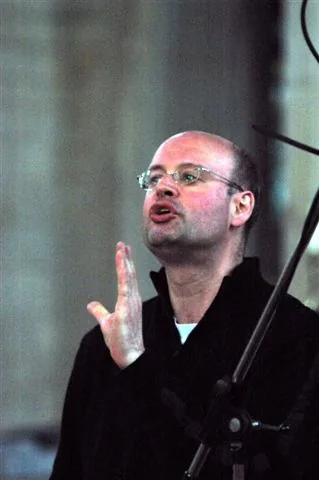 Stephen Layton