Reviews


















Review Search

It was the critic Claude Rostand, in 1950, who first adopted the phrase “moine ou voyou” to describe Francis Poulenc. It is translated here as “Half Monk/Half Rascal”, and though “moine” is certainly a monk, a “voyou” could easily be a more unsavoury character than a “rascal”. Rostand wanted to draw attention to the polarity between Poulenc’s devout Catholic faith and other aspects of his...
"Half monk, half rascal, they called him" , Poulenc's deep religous conviction shining through just as clearly in some works as his irreverent sense of humour did in others. Layton deftly contrasts both worlds on this disc, and the response of his Danish singers in works including the Sept chansons and Chansons francaises is both idiomatic and precisely-judged. A lovely record.
Reviewed by Guy...

The old rouge would have kissed them all, the men twice over. Poulenc may have created am impression of easygoing hedonism, and he certainly took an unusual angel on sacred music (monks playing football, indeed!) but his music demands precision and care even at its most rapturous, and there is plenty of rapture as well as wit in this intelligent selected programme. Layton gets a lovely, excact...

The title of this album, Half Monk, Half Rascal —originally coined as “half monk, half thug” by critic Claude Rostand in 1950—sums up perfectly the two personalities of Francis Poulenc, a man as devoted to his Catholicism as he was to his gayness, though not necessarily in that order. Poulenc himself is quoted as having said, “You know that I am as sincere in my faith, without any messianic...

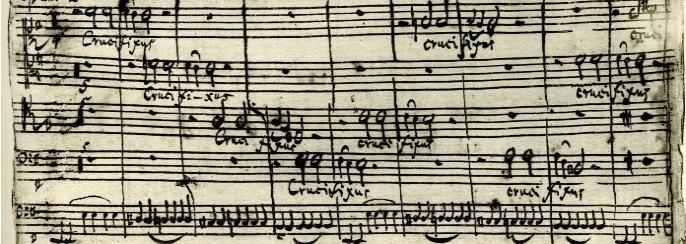
A TIMELY Lenten celebration, this performance of the shorter of Bach's two great Passion settings impressed more than anything else for its consistency, the combined choirs of Trinity College Chapel and the Consort of Melbourne as crisp and true in pitch from the grinding initial chorus to the work's final chorale. Similarly, the period-style experts of Ludovico's Band sustained a high level of...

A TIMELY Lenten celebration, this performance of the shorter of Bach's two great Passion settings impressed more than anything else for its consistency, the combined choirs of Trinity College Chapel and the Consort of Melbourne as crisp and true in pitch from the grinding initial chorus to the work's final chorale. Similarly, the period-style experts of Ludovico's Band sustained a high level of...